(Image credit: Nvidia)
In the shot of the older woman in Hogwarts Legacy, the initial rendering showcases a soft blend of wrinkles that creates a better illusion of movement in the face. When DLSS 5.0 is turned on, it recreates the wrinkles under the new lighting system, but in turn, makes it seem as though a piece of bark with lips is speaking to the character, ruining that initial facial movement.
Which, perhaps, is the leading issue? I don’t know, and I’m obviously not an Nvidia AI engineer working on the latest neural networks, but according to Digital Foundry, none of the original assets are touched by DLSS 5. The only thing changed is the lighting presentation, meaning every geometry point in use comes from the original render; nothing new is being created in terms of surfaces.
Given that the face of the woman in Hogwarts Legacy isn’t changed, all it does is highlight the shortcomings of the original 3D image to create somewhat of a horror show. So, maybe it comes down to developers using it to their advantage?
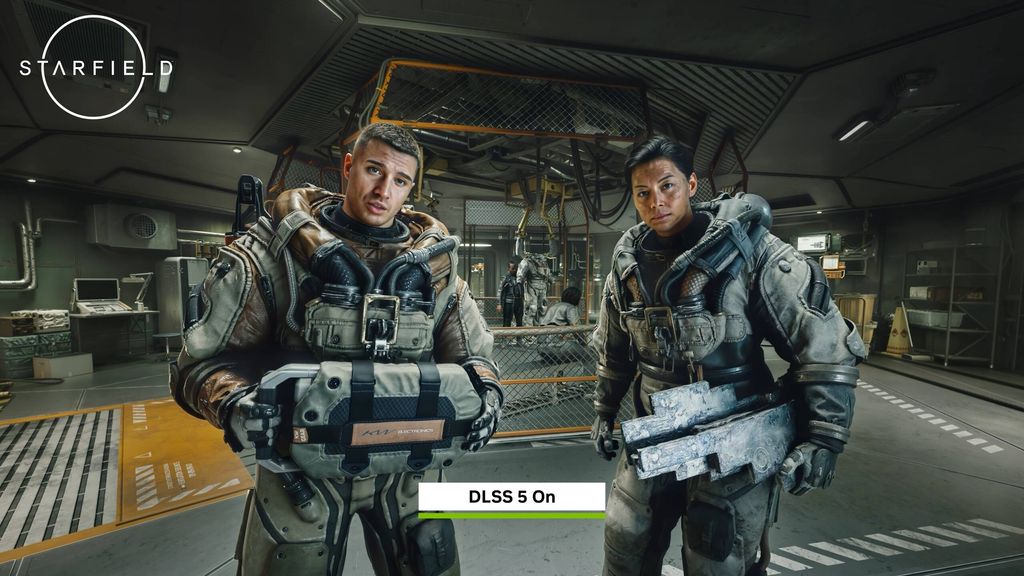
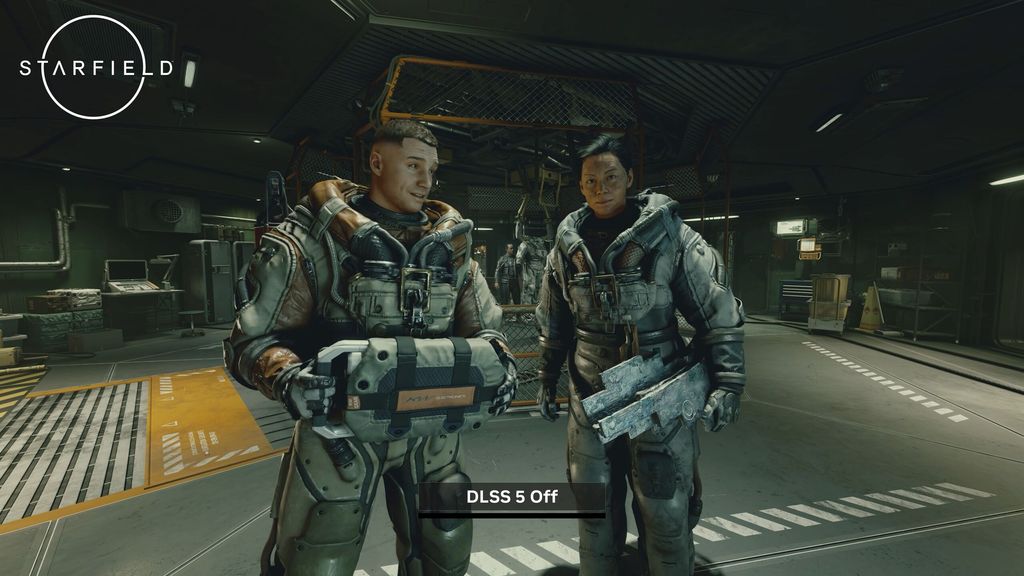
In the Digital Foundry video, they also mention that Todd Howard signed off on this implementation in Starfield. Saying this preserved the original artistic integrity of the game. Maybe I’m wrong, maybe I’m just washed when it comes to what artistry is supposed to look like if the director says otherwise, but I can factually say it looks completely different than anything I’ve ever played.
I can argue that this is the best example of this technology, as the original textures are rough by comparison to anything else in the trailer. Starfield was never a game where character models looked good, so the fidelity increase is actually preferred, for me, in this game.
In fact, I’d argue the AI neural rendering of DLSS 5 feels more like facial replacements you’d find on Nexus mods for Starfield, Skyrim, and other Bethesda titles. This doesn’t look or feel anything like the game, but rather, some fan creation.
Even the main character from Hogwarts Legacy, arguably the second-best result in the trailer, falls apart the longer you look because he’s supposed to be 15. Instead, he ends up looking like some 22-year-old dude playing a 15-year-old student.
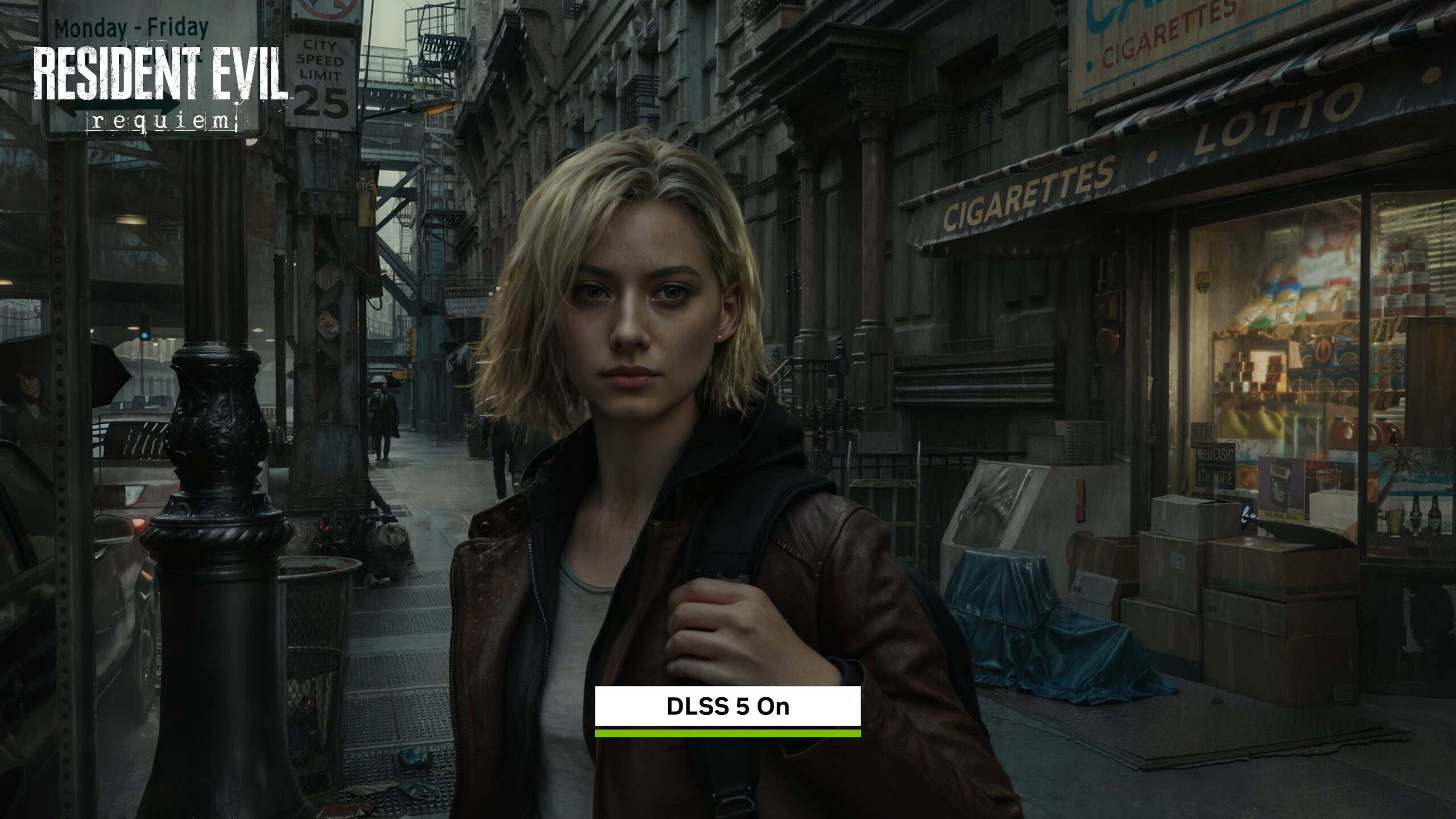
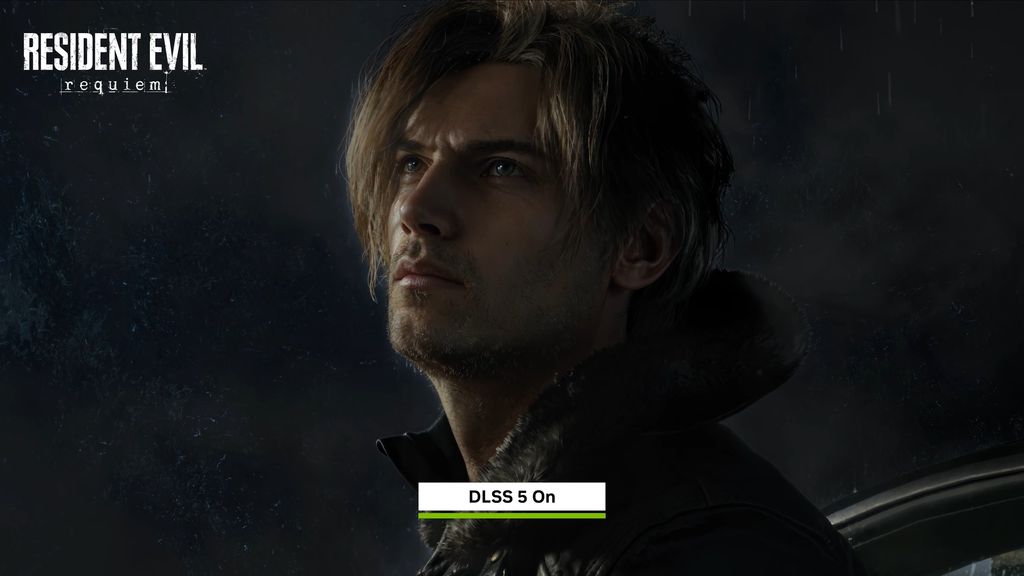
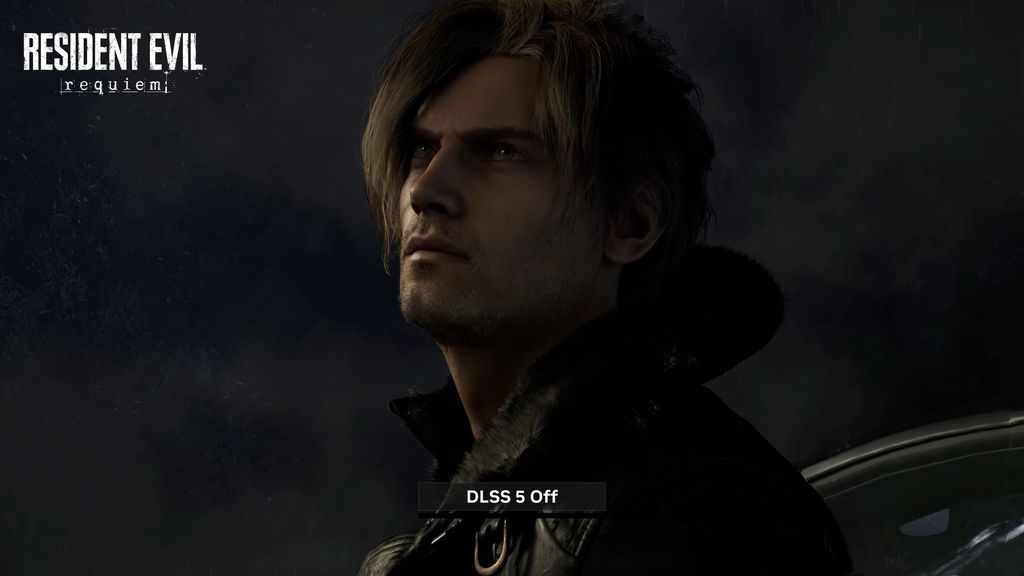
"DLSS 5 will come to games including AION 2, Assassin’s Creed Shadows, Black State, CINDER CITY, Delta Force, Hogwarts Legacy, Justice, NARAKA: BLADEPOINT, NTE: Neverness to Everness, Phantom Blade Zero, Resident Evil Requiem, Sea of Remnants, Starfield, The Elder Scrolls IV: Oblivion Remastered, Where Winds Meet, and more."
At the end of the day, DLSS 5 is clearly pushing NVIDIA’s tech in a bold new direction, but the reaction shows just how sensitive players are to anything that changes the “feel” of a game. If the YouTube comments are any indication, NVIDIA has some convincing to do before these AI‑driven filters win people over. The conversation isn’t slowing down, and neither is the scrutiny: DLSS 5 is going to be one to watch.
What do you think about DLSS 5's new AI filters?
NVIDIA’s DLSS 5 reveal has sparked one of the harshest community reactions we’ve seen in a while, with YouTube comments going almost entirely negative. Some players say the AI filters look uncanny, others think it’s just early footage, and a few believe NVIDIA is pushing too far into “AI‑beautified” visuals.
Where do you land on this? Are the new filters a step forward, a step too far, or something that just needs more time in the oven? Drop your take below.
Source
Hope you enjoyed this news post. Feedback welcome.
Posted Tuesday 17 March 2026 at 12:04 pm AEST (my time).
News posts: 2023 5,800+ | 2024 5,700+ | 2025 5,700+ | 2026 (to end of February) 854
RIP Matrix


3175x175(CURRENT).thumb.jpg.b05acc060982b36f5891ba728e6d953c.jpg)

Recommended Comments
There are no comments to display.
Join the conversation
You can post now and register later. If you have an account, sign in now to post with your account.
Note: Your post will require moderator approval before it will be visible.