

3175x175(CURRENT).thumb.jpg.b05acc060982b36f5891ba728e6d953c.jpg)
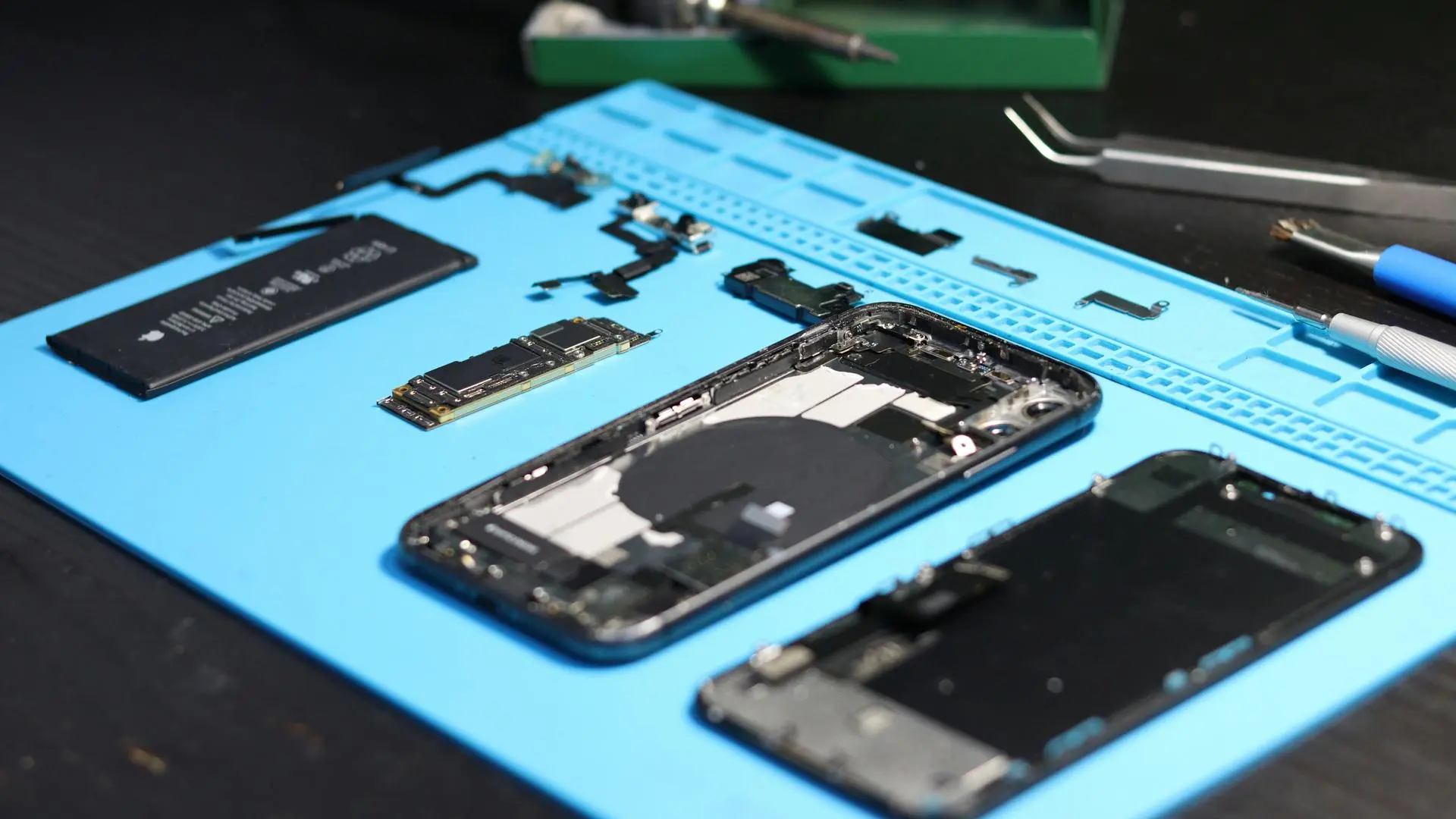
Regular customers' wallets are suffering in the wake of the current memory shortage, but that’s yesterday’s news at this point. However, it seems that the current hardware market is so brutal that even tech giants like Apple are getting squeezed. The latest report claims that Apple recently agreed to a massive 100% price hike on memory chips from Samsung just to keep the iPhone 17 production lines moving.
The hardware in question is the 12GB LPDDR5X memory module used in the iPhone Air and the iPhone 17 Pro. Back in early 2025, these chips cost Apple roughly $30 a piece. Today, that price has surged to around $70.
The report comes from the South Korean investment website Dealsite and claims that Samsung and Apple held emergency supply meetings in the first half of 2026 to discuss memory shipments. Samsung opened the table with a 100% markup, and was reportedly willing to settle on 60%. But instead of pushing back, Apple reportedly accepted the deal immediately just to secure the inventory.
9to5Mac’s Ben Lovejoy finds the report suspicious. Ben emphasizes that such meetings are usually attended by senior executives, which makes it unlikely for such important details to leak to a media outlet just like that. That is, unless someone at Samsung was so proud that they pushed Apple, a notorious negotiator, to accept their terms that they openly bragged about it.
If we look at the bigger picture, the report’s accuracy is actually less relevant. The obvious reality here is that this shortage is entirely driven by the tech industry neglecting consumer hardware to chase the AI server market. Some major chipmakers like SK Hynix have already abandoned their consumer hardware departments, while others are redirecting most of their resources towards producing high-bandwidth memory for AI data centers. This makes standard mobile memory incredibly scarce.
Apple is currently the second most valuable company in the world, with a market cap of around $4 trillion. It can rely on its massive capital to absorb the price hikes without hurting too much. This also means that Apple is paying a figurative "tax" for not being involved with AI as much as the rest of Big Tech.
This situation still creates a massive ripple effect. When the wealthiest buyer in the room completely surrenders its negotiating leverage, it gives suppliers a green light to squeeze the rest of the mobile industry, or the tech industry in general, even harder.
If Apple is willing to instantly pay double just to survive the current manufacturing squeeze, smaller smartphone brands might soon find themselves completely priced out of building competitive devices. If we look at the market as the food chain, it’s obvious that those at the bottom, which are consumers, will feel the most consequences.
Hope you enjoyed this news post. Feedback welcome.
Posted Friday 27 February 2026 at 6:18 am AEST (my time).
News posts: 2023 5,800+ | 2024 5,700+ | 2025 5,700+ | 2026 (to end of January) 461
Recommended Comments
There are no comments to display.
Join the conversation
You can post now and register later. If you have an account, sign in now to post with your account.
Note: Your post will require moderator approval before it will be visible.