

3175x175(CURRENT).thumb.jpg.b05acc060982b36f5891ba728e6d953c.jpg)
Rumors of a switch to a Unified Core design just got more credible as Intel searches for a senior CPU verification engineer to join its Unified Core design team.
Intel's foray into hybrid-core processors could be coming to an end. A job listing posted on LinkedIn shows that the company is hoping to hire a senior CPU verification engineer to join its "Unified Core" team that is based in Austin, Texas. The listing is no longer accepting applications, and it was only live for about three days.
According to the job listing, Intel is hoping to land a new engineer who "will be responsible for driving and executing the functional correctness of CPU logic designs through rigorous pre-silicon verification methodologies."
What's the difference between Unified Cores and Hybrid Cores?
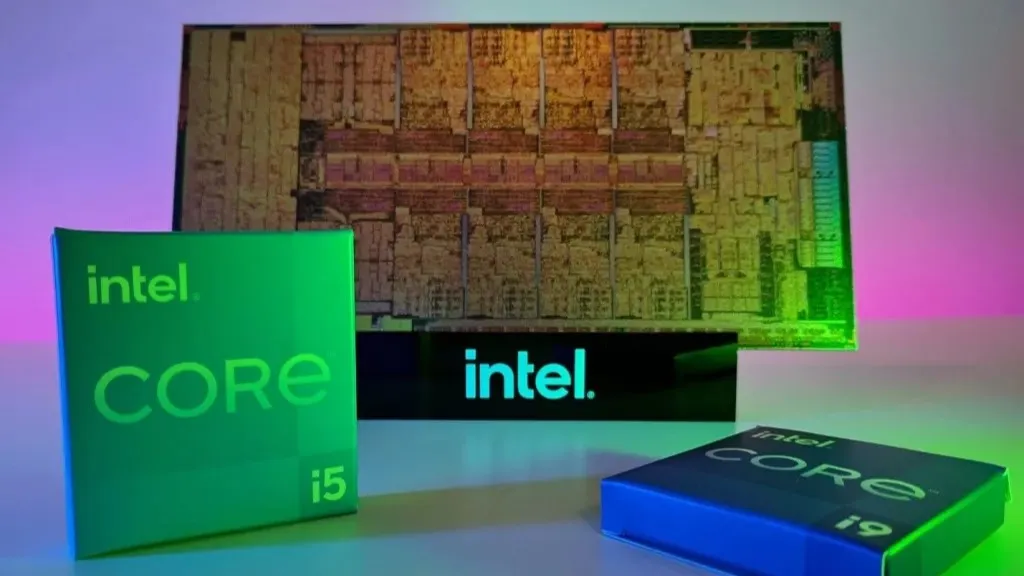
Intel's hybrid architecture made its debut with 12th Gen Core processors.
(Image credit: Windows Central)
Intel's current hybrid core architecture got its public unveiling in 2021 with the announcement of 12th Gen Alder Lake chips. With Performance cores and Efficient cores, Intel's hybrid approach was very similar to ARM's big.LITTLE architecture.
The Performance cores draw more power and mainly tackle big tasks in the foreground, while the Efficient cores use less power and handle background tasks. In some cases, like for Intel's Xeon lineup mainly used in servers and datacenters, chips were built entirely from Performance or Efficient cores.
Under this architecture, Intel's multi-threaded throughput improved, as did efficiency when handling background tasks. This setup also allowed Intel to boost core counts, which is why something like Intel's Core Ultra 9 285K desktop chip has a whopping 24 cores (8 P cores and 16 E cores) and 24 threads.
- lurch234
-
 1
1
Recommended Comments
There are no comments to display.
Join the conversation
You can post now and register later. If you have an account, sign in now to post with your account.
Note: Your post will require moderator approval before it will be visible.