

3175x175(CURRENT).thumb.jpg.b05acc060982b36f5891ba728e6d953c.jpg)
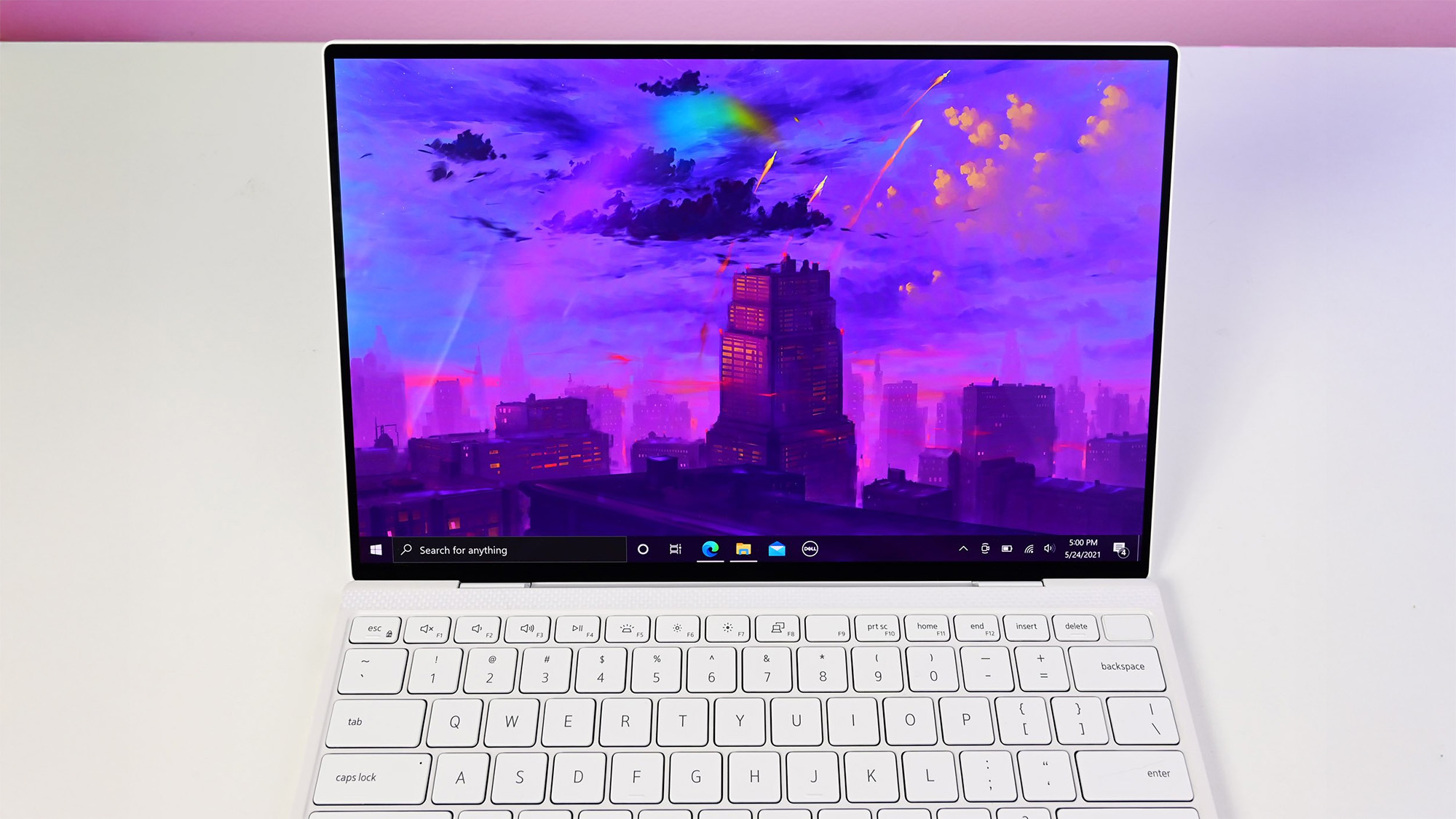
With Windows 10 support ending on Oct. 14, 2025, about 121 million devices may rely on Microsoft’s pricey Extended Security Updates, potentially bringing in $7.3 billion.
In a month (and change), Microsoft is slated to cut support for Windows 10, but it's apparent that most users are against this move, as they either can't upgrade to Windows 11 because their devices don't meet the strict system requirements. That, or they are just plain reluctant due to the operating system's apparent flawed design elements.
A public interest group (PIRG) filed a petition requesting Microsoft to reconsider its decision to pull the plug on Windows 10. While the software giant wasn't swayed to continue providing support for the operating system beyond the October 14, 2025, cutoff date, it has provided Windows 10 users with a 12-month lifeline through its Extended Security Updates (ESU) program.
Windows 10 users who choose to subscribe to the program will have to pay $30, which now supports up to 10 devices. Alternatively, you can sync your PC settings to the cloud via a Microsoft account or redeem 1,000 Microsoft Reward points to sign up for the program for free.
As Windows 10's death looms, tension is at an all-time high among users, with multiple people recently complaining on social media that they aren't able to sign up for the program. However, Microsoft confirmed that access to the program is rolling out to users in waves, further indicating that it will be available for all users before Windows 10's end-of-life.
The Restart Project, which helped co-develop the End of 10 Toolkit to support Windows 10 users who can't upgrade to Windows 11 by offering practical advice on how to adapt, has openly criticized Microsoft's ESU program, claiming that it feels like a last-minute snooze button, which only acts as a band-aid on a bleeding system:
Microsoft's new options don't go far enough and likely won't make a dent in the up to 400 million Windows 10 PCs that can't upgrade to Windows 11.
The Restart Project
This news comes after HP and Dell recently indicated that half of today's PC still run Windows 10 and will continue to do so beyond Microsoft's deadline. The PC makers further predicted that users will be more inclined toward Microsoft's ESU program for continued support for the operating system as they plan to upgrade to Windows 11 through 2026.
Elsewhere, multiple users claim that Microsoft ending support for Windows 10 feels like "programmed obsolescence" designed to bolster Copilot+ PC sales and Windows 11 upgrades.
Microsoft will make a killing from Windows 10's ESU program
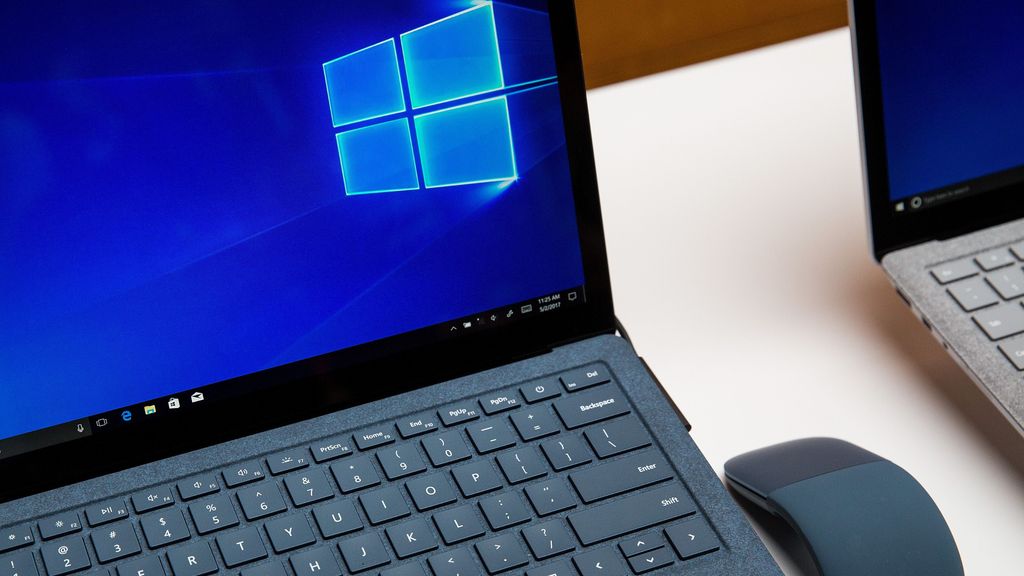
Microsoft may earn up to $7.3 billion from its ESU program, charging enterprise users $61 per device and doubling the fee each year.
(Image credit: Getty Images | Drew Angerer)
Per the sentiments shared by many users, Microsoft cutting support for Windows 10 won't coerce them to upgrade to Windows 11. They seemingly prefer the tech company's ESU (Extended Security Updates) program.
Businesses and enterprises that prefer to stick to Windows 10 after Microsoft's set deadline will have to pay $61 per device for continued support. However, this figure will double for every subsequent year you sign up for the program.
A report by Nexthink went into intricate efforts and did the math, revealing that Microsoft could make up to $7.3 billion from its ESU program on enterprise consumers alone.
For context, this data was based on the assumption that Windows 10 customer endpoints will reduce by 33% by October 14, 2025, since there was a similar decrease between 19th May and 1st August. As such, an estimated 121 million PCs will still be running Windows 10 after Microsoft's cutoff.
In July, Microsoft revealed that over 1.4 billion PCs are running Windows. Nexthink estimates that 30% of these Windows devices are operated by public entities or enterprises, which translates to 420 million devices, hence the estimated $7.3 billion in ESU costs.
Tim Flower, digital employee experience strategist at Nexthink, says upgrading to Windows 11 “shouldn’t feel like a disruption.” He further indicated that:
“It should be an opportunity to improve how employees work every day. That means understanding how devices and applications perform before the migration, anticipating issues and problems, and taking steps to ensure migrations and upgrades run smoothly. The goal is to avoid productivity being interrupted by an IT event, and help organizations see clear benefits from their investment."
As it seems, Microsoft won't be extending its timeline to cut support for Windows 10. Will you be signing up for Microsoft's ESU program, skipping it altogether with potential exposure to malware, or upgrading to Windows 11? Share your thoughts with me in the comments.
Hope you enjoyed this news post. Feedback welcome.
Posted Saturday 6 September 2025 at 3:45 am AEST (my time).
News posts... 2023: 5,800+ | 2024: 5,700+ | 2025 (till end of August): 4,048
- Tzcon and Asciito
-
 2
2
Recommended Comments
There are no comments to display.
Join the conversation
You can post now and register later. If you have an account, sign in now to post with your account.
Note: Your post will require moderator approval before it will be visible.