

3175x175(CURRENT).thumb.jpg.b05acc060982b36f5891ba728e6d953c.jpg)
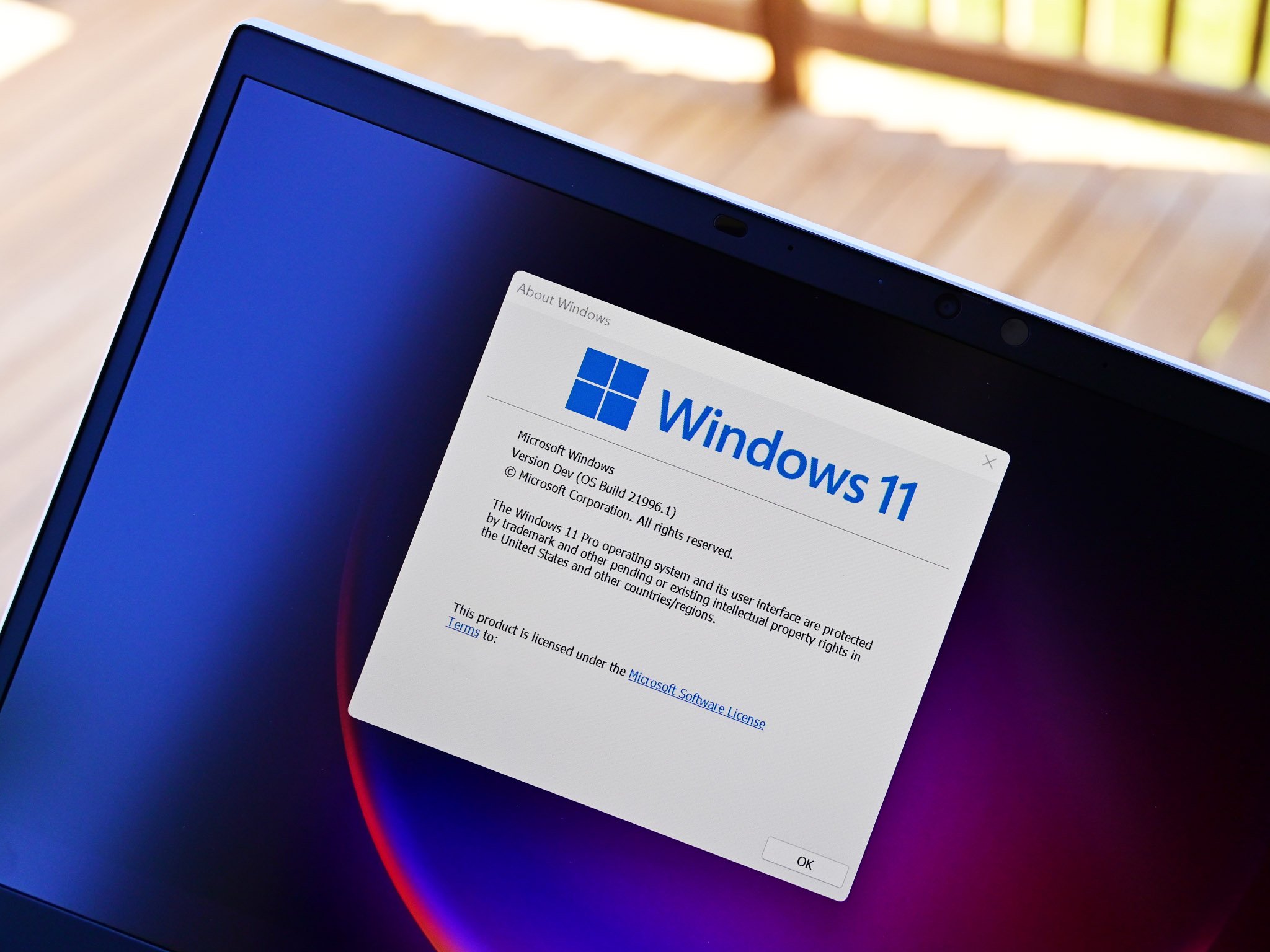
A Windows 10 user reportedly received an offer to upgrade to Windows 11 despite having a TPM 2.0 chip disabled on their PC.
Since Windows 11 shipped in 2021, Microsoft has received a lot of backlash, predominantly due to the operating system's stringent minimum system requirements and its flawed design elements compared to its predecessor. These have heavily contributed to Windows 11's loose grip in the market share, as it only recently managed to surpass Windows 10 as the most dominant desktop OS in the world, with a 50.88% hold on the market share.
But in a surprising turn of events, BornCity recently reported on a bizarre incident where Microsoft seemingly offered an upgrade to Windows 11 to unsupported hardware, even though it did not meet the system requirements (via Neowin).
A reader of the German blog further disclosed that they had disabled TPM on their device to prevent a forced Windows 11 upgrade. However, their Windows 10 PC still got an offer to upgrade to Windows 11 while using a Lenovo IdeaPad S145-15IWL [81MV014QGE] laptop powered by an Intel 8th Gen i5 processor, which makes it an ideal candidate for the Windows 11 upgrade.
As you may know, a Trusted Platform Module (TPM) 2.0 is one of Microsoft's stringent requirements for running Windows 11. It is designed to provide "hardware-level security services for your device," keeping your private information and credentials safe from unauthorized users with encryption on a physical chip.
To that end, BornCity speculates that the unusual occurrence might be a result of a bug or a particular BIOS setting. Microsoft hasn't made any announcements or changes to its stringent minimum system requirements for Windows 11. In December, the company categorically indicated that TPM 2.0 was a non-negotiable requirement, designed to help future-proof Windows 11.
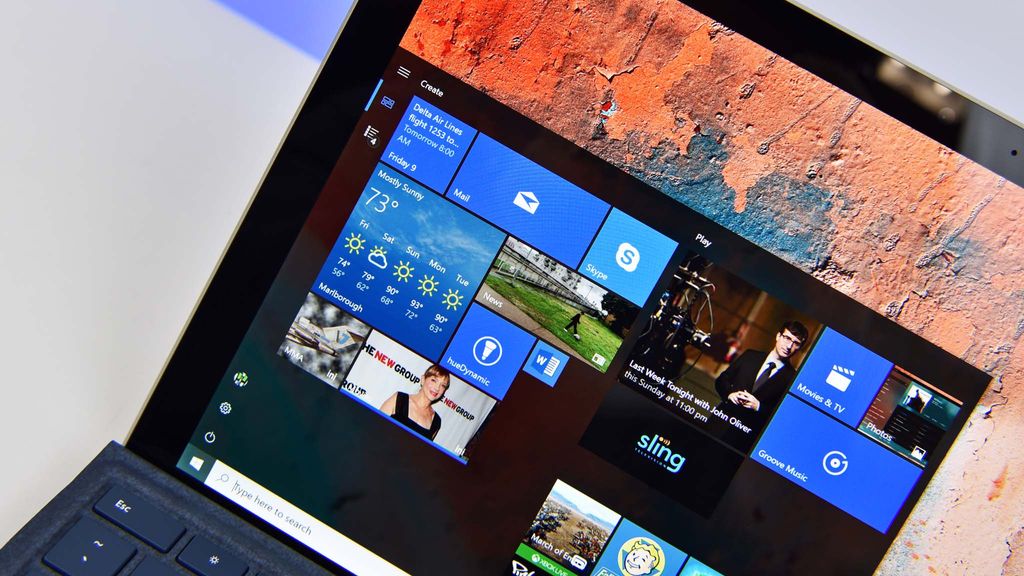
Windows 10 Start menu on a 5th generation Surface Pro.
(Image credit: Daniel Rubino | Windows Central)
Yes, in a little over 2 months, on October 14, 2025, Microsoft is poised to pull the plug on Windows 10. The software giant has ramped up its campaign for Windows 11, using bold claims and bait like its sophisticated Copilot+ PCs are 5x faster than a 5-year-old Windows device to get users to make the upgrade.
The company has seemingly moved on from using aggressive tactics like using full-screen multipage popup ads to urge Windows 10 users to upgrade to Windows 11. Instead, the company is using a different approach and urging users to since it will no longer release critical Windows 10 security updates past the cutoff date.
Recommended Comments
There are no comments to display.
Join the conversation
You can post now and register later. If you have an account, sign in now to post with your account.
Note: Your post will require moderator approval before it will be visible.