

3175x175(CURRENT).thumb.jpg.b05acc060982b36f5891ba728e6d953c.jpg)
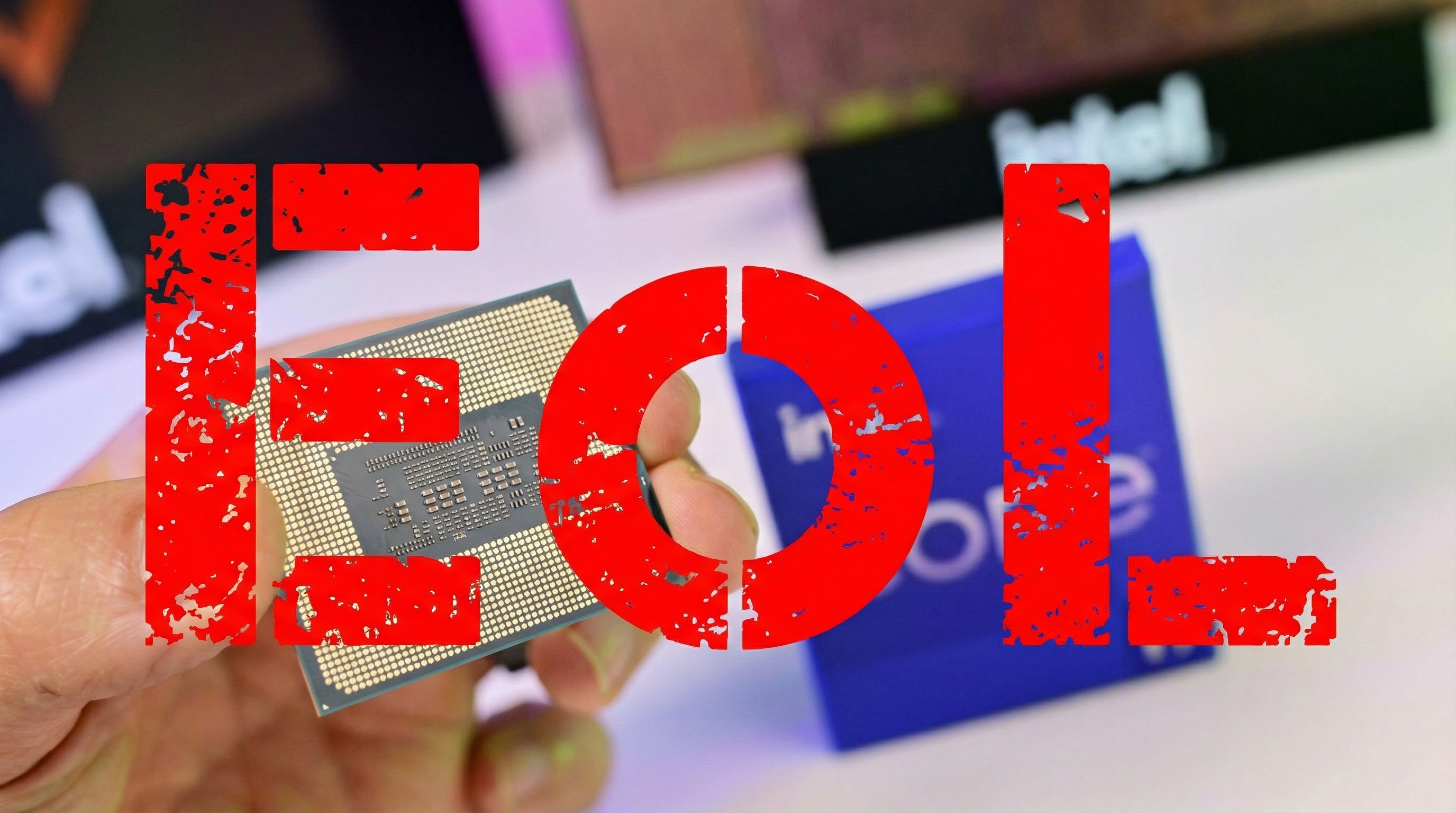
Intel begins the discontinuance process on its Alder Lake desktop CPUs, set to wrap up in 2027.
Intel has moved its 12th Gen "Alder Lake" processors, which launched in 2021, into a discontinuance period that will eventually wrap up in 2027. The move arrives in the form of two official Product Change Notifications (PCN) at Intel's site, which lay out the schedule.
The Product Discontinuance Program, encompassing Core, Celeron G, and Pentium Gold, began on January 6, 2026, for tray (the products served to OEMs) and boxed (the products served to consumers) Alder Lake CPUs.
Here's a look at the full list from Intel's support page:

A list of all the 12th Gen Alder Lake CPUs that are entering end-of-life status.
(Image credit: Intel)
Alder Lake was a great generation, but did it push Intel past AMD?
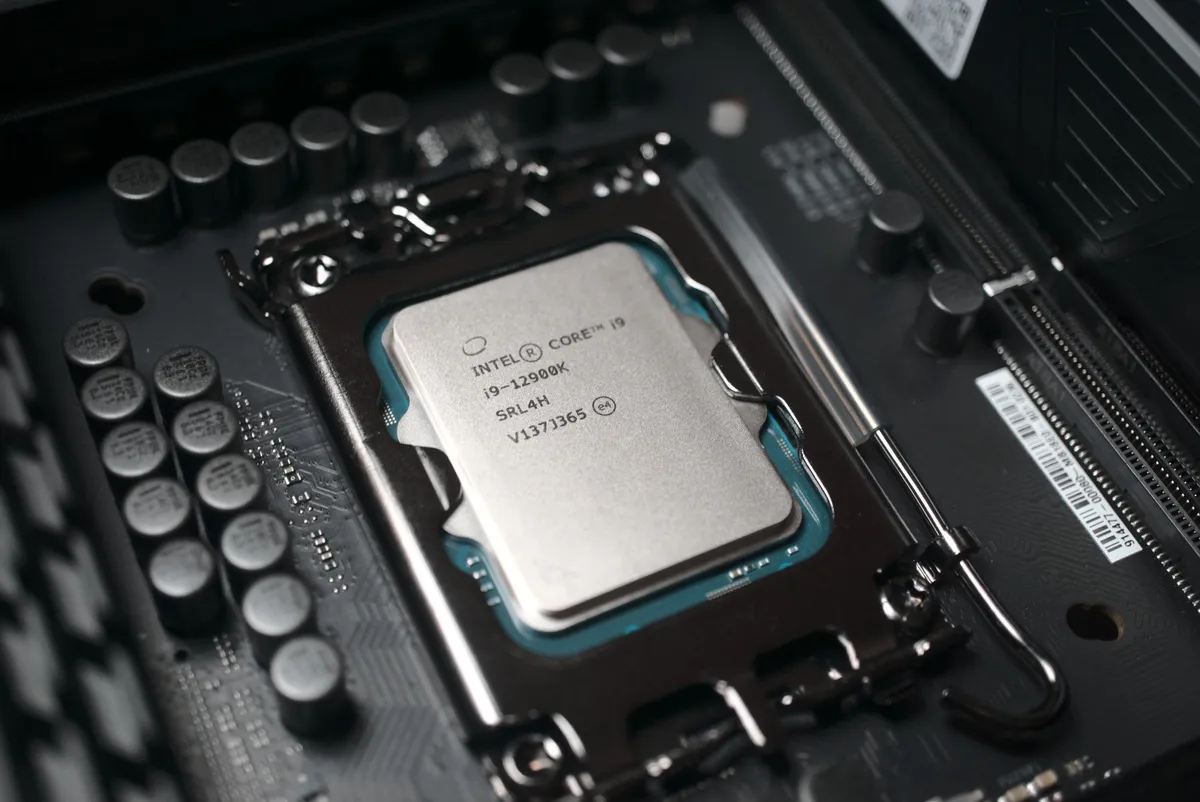
Intel's Core i9-12900K remains a solid CPU to this day.
(Image credit: Rich Edmonds / Windows Central)
Intel's 12th Gen "Alder Lake" CPUs represented a significant and positive shift for Team Blue.
These chips, built on the Intel 7 process — otherwise known as 10nm Enhanced SuperFin (10ESF) — garnered plenty of praise from reviewers for their newfound performance and value, not to mention the move to modern PCIe 5.0 and DDR5 support.
Alder Lake brought the "big.LITTLE" hybrid design principle that had so far only been seen in Arm-based chips (like Apple's M1) into Intel's arsenal, splitting cores into Performance and Efficient for improved efficiency and power. This hybrid design is still in use by Intel today.
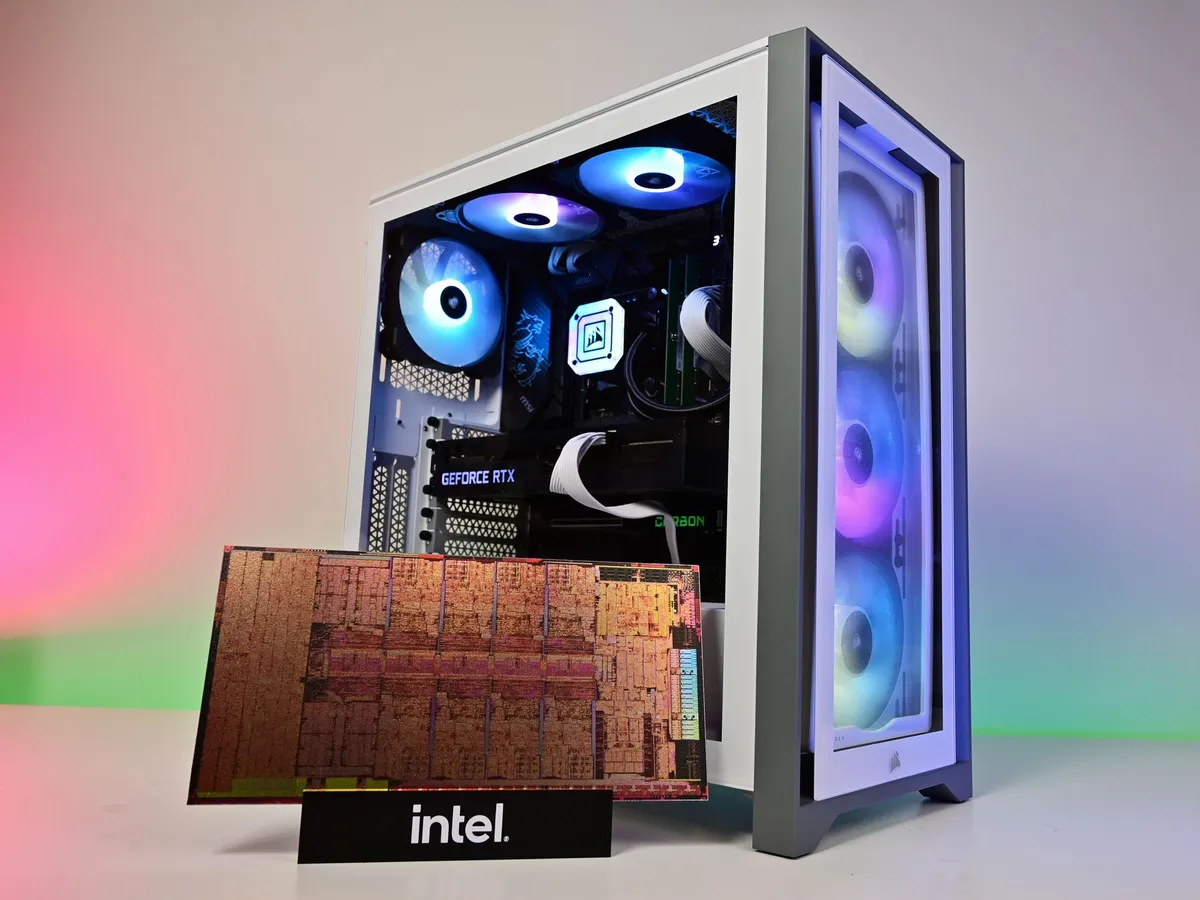
Intel's 12th Gen launch.
(Image credit: Daniel Rubino / Windows Central)
It wasn't all good news, however. AMD had launched its initial Ryzen 5000 chips — including the Ryzen 9 5950X — about a year earlier, and they were mighty impressive.
We polled Windows Central readers shortly after the 2021 Alder Lake launch and review period to gauge their opinion of Intel's newfound competitiveness. Only 42.7% of readers thought that Alder Lake would compete closely with AMD and Apple, with another 28.9% believing that Intel still lagged behind its competitors. A close 28.2% of readers believed that Intel's Alder Lake had pulled it into the lead over AMD.
Of course, AMD unveiled the awesome Ryzen 7 5800X3D about six months after Alder Lake made its debut, and it still sells quite steadily on second-hand markets.
Intel hit a rough patch after instability issues were found to be cooking 13th and 14th Gen chips, and its move to Core Ultra largely failed to excite the PC market.
Looking forward, Intel's next-gen "Panther Lake" chips for mobile devices are headed our way in early 2026, with desktop versions under the "Nova Lake" name expected late 2026.
(via Videocardz)
What do you think about Intel pushing its 12th Gen "Alder Lake" CPUs into end-of-life territory? A natural move due to age or a preemptive strike? Let us know in the comments section!
Hope you enjoyed this news post. Feedback welcome.
Posted Friday 23 January 2026 at 4:06 am AEST (my time).
News posts... 2023: 5,800+ | 2024: 5,700+ | 2025: 5,700+
Recommended Comments
There are no comments to display.
Join the conversation
You can post now and register later. If you have an account, sign in now to post with your account.
Note: Your post will require moderator approval before it will be visible.