


3175x175(CURRENT).thumb.jpg.b05acc060982b36f5891ba728e6d953c.jpg)
A week of Intel drivers improving Windows, Dbrand taking a U-turn, Google's new reCAPTCHA, and WhatsApp opening up usernames.
7 Days is a weekly roundup of picks of what's been happening in the world of technology - written with a dash of humor, a hint of exasperation, and an endless supply of (black) coffee.
This week's highlights include several new AI updates from Anthropic, new free games on the Epic Games Store, and OpenClaw going mobile. Let's get started.
You can check out the recent issues of the 7 Days weekly roundup.
Reason behind memory shortage

The global memory shortage is causing a massive storm in the tech industry, forcing even the biggest giants to raise prices of their devices. While the AI industry is largely blamed, Micron CEO Sanjay Mehrotra said that the price pressure from certain customers over the past few years has also contributed significantly to the shortage.
This negatively impacted memory manufacturers' revenues, which were losing money and couldn't afford to invest in new production capacity. “Certain customers drove pricing significantly down in our industry. In 2023, our prices came down to one-third of what they were,” Mehrotra told CNBC, adding that the shortage could last into 2027.
Goodbye PS disc games

Sony announced a major update for PlayStation gamers this week. The company is pulling the plug on physical game disc production, pushing PS consoles towards a digital-only future after three decades. This is scheduled for January 2028, giving publishers and developers time to prepare.
Sony is also closing its classic console platform stores for PlayStation 3 and Vita, starting with select markets in 2026, followed by a global shutdown in July 2027. While Microsoft has yet to ditch physical media for Xbox consoles, it's reportedly experimenting with a feature that will let disc owners digitize their games while keeping their trading value.
Google fined $4.7 billion

The search giant lost a long-running antitrust case over Android after Europe's top court dismissed its final appeal. It must pay the multi-billion-dollar penalty and "has no further right to appeal," the court said.
The drama dates back to 2018, when the European Commission slapped Google with a record-breaking penalty over using illegal tactics to maintain its search monopoly and forcing OEMs to preload Google Search and Chrome on Android devices to get access to the Play Store.
Our Features
Our coffee-powered team published a platter of editorials, opinion posts, and guides. Check them out:
- I hate that Sony is ditching physical discs for the PlayStation
- How to roll back Chrome and restore MV2 extensions following the v150 update
- Apple Rewind: iPhone 18 Pro video leaked, things you missed at WWDC, and Neo is a blessing
- Social media bans for kids don't protect adults against harms, here's what you can do
This week in software news

Catch up on some of the latest apps and software news updates that arrived throughout the week:
New Intel drivers: With its new Wi-Fi and Bluetooth drivers (v24.50.0), Intel joined Microsoft in its commitment to improving Windows by boosting its performance and overall user experience. The new drivers brought improved 6GHz performance and better overall stability.
Rufus fixes major issues: Rufus 4.15 final release rolled out this week, bringing fixes for two major issues. It fixed the silent installation issues where the progress would get stuck and patched the Windows User Experience (WUE) persistence bug, where various settings failed to stay saved.
JetBrains Air: It's a new AI-first IDE from JetBrains currently available on Windows x64 and ARM, with plans for macOS and Linux. JetBrains Air builds on top of the defunct experimental editor Fleet, and fills the gap between running agents in terminal and working in a full IDE.
AMD fixes install issues: With its latest driver Version 26.6.4, AMD fixed install issues for Windows 10 users and FSR 4.1 crashes on RX 7000 GPUs, including games like Forza Horizon 6.
OpenClaw goes mobile: The open-source AI agent is now available as a mobile app for Android and iOS. You can pair smartphones with a self-hosted AI agent for chat, voice, approvals, and automation.
Tidal wave is coming: The music streaming platform will raise its subscription fee to $12.99/mo, putting the "artist-first" platform on par with Spotify. Speaking of which, Tidal announced it would stop monetizing AI slop and label AI tracks under a new policy to protect artists.
VirtualBox 7.2.12: The new release is a general maintenance update that fixed a nasty bug on Arch Linux, where starting a VM in version 7.2.10 could trigger a full kernel freeze on the host. The update also addressed issues with Fedora's YASM assembler and brought DX11 performance improvements for Windows.
Vascular Swap is going away: The feature that tracks the overall stress your blood vessels experience throughout the night is being pulled from Galaxy Watch in the US. A blood pressure trend feature will replace it on the Samsung Health 7.0 and the One UI 9 Watch update.
It's no TV Time: The popular entertainment utility TV Time is shutting its doors forever after 15 years of service, citing unsustainable operating costs and low demand for its paid version. Going away on July 15, TV Time helped organize, track, and discuss what to watch.
FBI seizes NetNut: The federal agency worked with Google to seize the domain of a residential proxy service called NetNut after it was abused by the Popa botnet.
This week in hardware news

Catch up on some of the latest software news updates that arrived throughout the week:
Dbrand takes a U-turn: The case maker canceled its ambitious Companion Cube enclosure for the Valve Steam Machine, which had become the second-fastest-selling product in its history. Valve objected to the protected IP design after Dbrand took a "backwards approach" by designing the product first without getting a license.
Samsung for education: The South Korean giant introduced new interactive displays for schools and AI classroom tools at ISTELive 2026. The new offerings are designed to make shared classroom displays easier for teachers to use while giving IT admins more control.
How much for the next Galaxy Fold?: Leaked information suggests that the upcoming Samsung Galaxy Z Fold8 series could reach up to €3,000 ($3,432 approx.) for its top-tier Ultra variant in the EU due to the price hike. It's not surprising to see Samsung's foldables getting hit by the global chip shortage.
This week in Google News
Catch up on some of the latest Google news updates that arrived throughout the week:
Are you a robot? Google is experimenting with a new reCAPTCHA method that asks you to wave at your camera to prove you're human and bypass the annoying puzzles. However, early adopters found it as easy as falling off a log, and the feature can be fooled with a simple stock image.
Google owes $1.5 billion: In another case, a Swedish court ordered Google to pay $1.5 billion (14.3 billion kronor) to Klarna for prioritizing its own comparison shopping tool over PriceRunner. However, it was reported that Klarna lost about $8.3 billion in total.
Holding back Meta: Google is reportedly limiting Meta's use of Gemini AI models as it's struggling to maintain supply. This shortfall even disrupted and delayed some of Meta's internal projects, and employees were told to use AI tokens more efficiently.
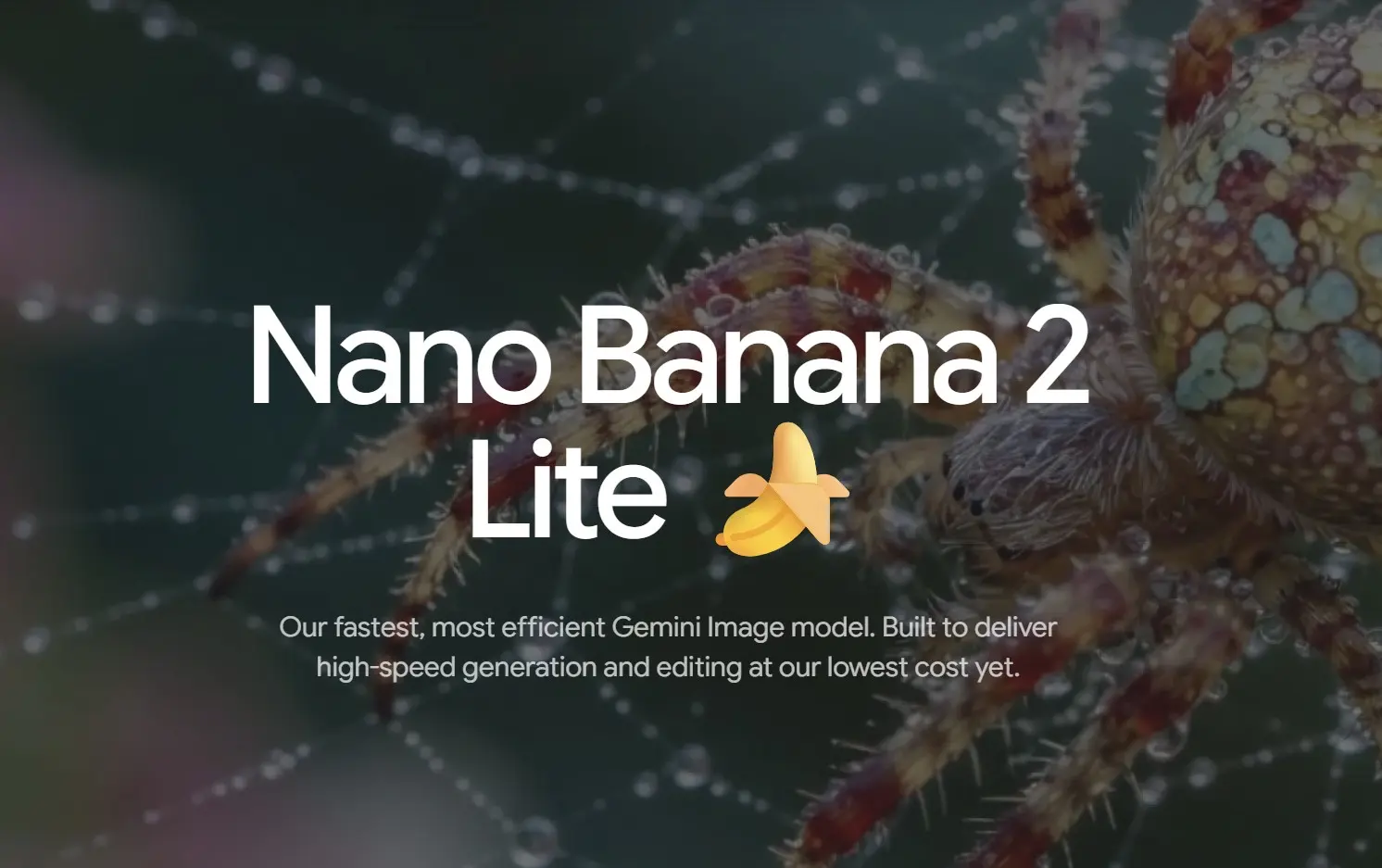
Nano Banana 2 Lite: It's a new image generation model for speed, low-cost, and high-volume workflows, which can generate text-to-image outputs in about four seconds and costs just $0.034 per 1K-resolution image.
macOS got a spark: Google's always-on AI assistant Gemini Spark arrived on macOS with a $100/mo subscription. It brings background AI automation, remote task execution, and app integrations to Mac users.
New Kiwi voice: Google Maps got a new AI-powered voice for New Zealand users that improves the pronunciation of Māori place names across navigation. It's available for those who have set English (New Zealand) as their default language.
Workspace updates: The "Take notes for me" generative AI feature inside Google Meet is now available to AI Pro and Ultra subscribers. Google Slides can now create entire multi-slide presentations with Gemini using just a single prompt.
This week in Apple News
Catch up on some of the latest Apple news updates that arrived throughout the week:
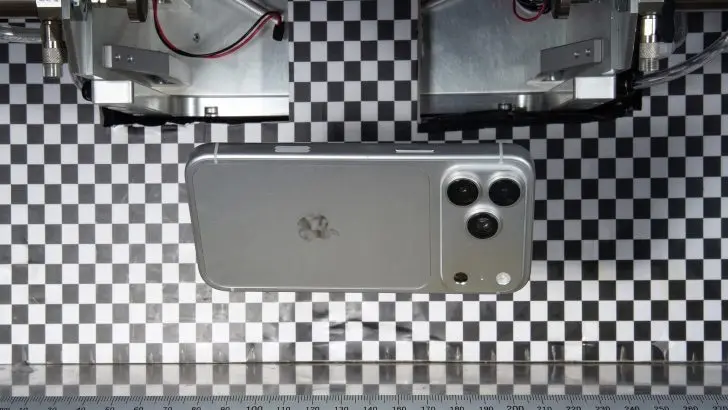
iPhone 18 Pro video leaked: Apple suffered one of the largest data breaches in its history after a partner was hacked. As discussed on the latest Apple Rewind, a drop test video of the unreleased iPhone 18 Pro, a supplier list, and key phone component details were leaked by the hackers.
Still a dream: We have been hearing a lot about a camera-equipped AirPods Pro in the making. However, the AirPods that can "see around you" have been put on the back burner, according to a leaker.
Fixes for iPhone: While users are busy trying the beta version of iOS 27, Apple released iOS 26.5.2 for iPhone, with security fixes focused on WebKit and related web technologies.
This week in browser news
Catch up on some of the latest news about Firefox, Opera, Chrome, Safari, and other browsers:
Google Chrome failed users: The browser let a malicious Perplexity extension slip through the gaps, into the Chrome Web Store. The malware secretly records what you're typing, and it's recommended to double-check that you have the official Perplexity extension.
Edge loves Google: You can now sign in to your Edge browser with a Google account, starting with Edge 150. Available on macOS and Windows, the new integration lets you import your browser data without manual labor.
Protect your clipboard: Opera launched a new built-in tool called Paste Protect that blocks malicious actors from accessing your PC's clipboard. You don't need to configure or turn on anything manually.
This week in Meta news
Catch up on some of the latest Meta, WhatsApp, and Instagram updates that arrived throughout the week:
Reusing old hardware: Meta resorted to repurposing DDR4 RAM in its servers instead of buying new hardware, due to the global memory shortage. Its custom chip, called Vistara, allows the reuse of memory chips from retired servers for new servers that rely on DDR5.
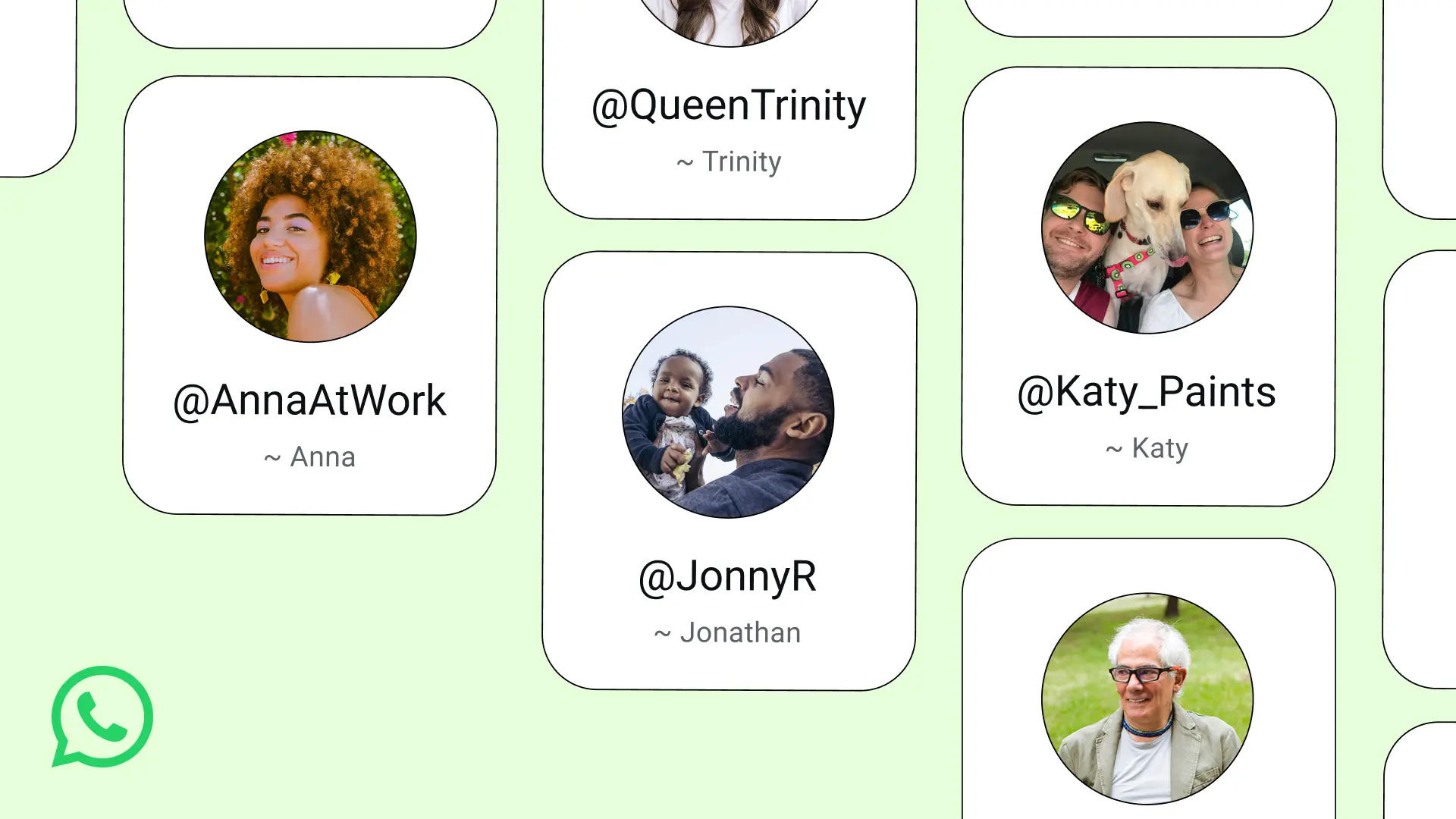
Reserve your username: For those who don't want to share phone numbers, WhatsApp is getting usernames after almost two decades of existence. You can reserve a unique WhatsApp username ahead of the global rollout later this year. However, if you use the same username across platforms, it becomes easier for people to spam you. You can lock your username with a secret pin that the other person needs to enter before starting a conversation.
Another social app: Meta is working on its bazillionth social media app. This time, it's a social media app for vibe-coded mini games, called Pocket. You can create mini games using AI prompts and simple tools.
This week in AI news
Catch up on the latest artificial intelligence news updates that arrived throughout the week:
New stuff from Anthropic: Claude Scientist is a new, dedicated desktop app for scientists, offering them a unified workspace for their work. Its mid-range lineup got upgraded with Claude Sonnet 5, which claims to close much of the gap with Opus 4.8. Meanwhile, Claude Fable 5 was also restored globally after the US government lifted export controls on Mythos and Fable models.
Take some stake: Amid rising scrutiny over AI companies, OpenAI reportedly offered a 5% stake to the Trump administration to ease tensions with Washington. CEO Sam Altman argued that giving the government a piece of the cake is a way to share the benefits of AI.
Amazon jumping ship: The e-commerce giant is considering using OpenAI models and its own Nova family after Anthropic bumped the cost of using Claude inside Amazon Services. However, the cost-cutting move is not seen as a sign of a damaged partnership between Amazon and Anthropic.
Alibaba vs Anthropic: It was reported that the Chinese tech firm banned Claude Code so that its employees can't use it for work. It's concerned that the tool can help identify China-linked users, and the ban comes after Anthropic accused Alibaba of extracting Claude's capabilities without permission.
Godot bans AI-generated code: The open-source engine that powers hits like Brotato is banning AI-generated pull requests because the sheer volume of such submissions has become too much for human reviewers.
Proton Lumo 2.0: Proton thinks its AI assistant can give you privacy while answering your questions. Lumo 2.0 ships with a "new architecture" while adding reasoning modes, image generation, live web search, memory, and Custom Lumos.
This week in Linux news
Catch up on the latest updates from the world of Linux and open-source:
Linux 7.2 is going smoothly: The first release candidate for Linux 7.2 came out, and Linus Torvalds said it has been a good release with no big disruptions and that it looks “reasonably normal.” It's a good sign that we may not need an eighth RC.
Fedora 45 could be more secure: A change proposal under consideration could make it more secure than its predecessor. Fedora 45 could use Shadow Stack in x86_64 programs to help prevent return-oriented programming attacks, making systems more secure.
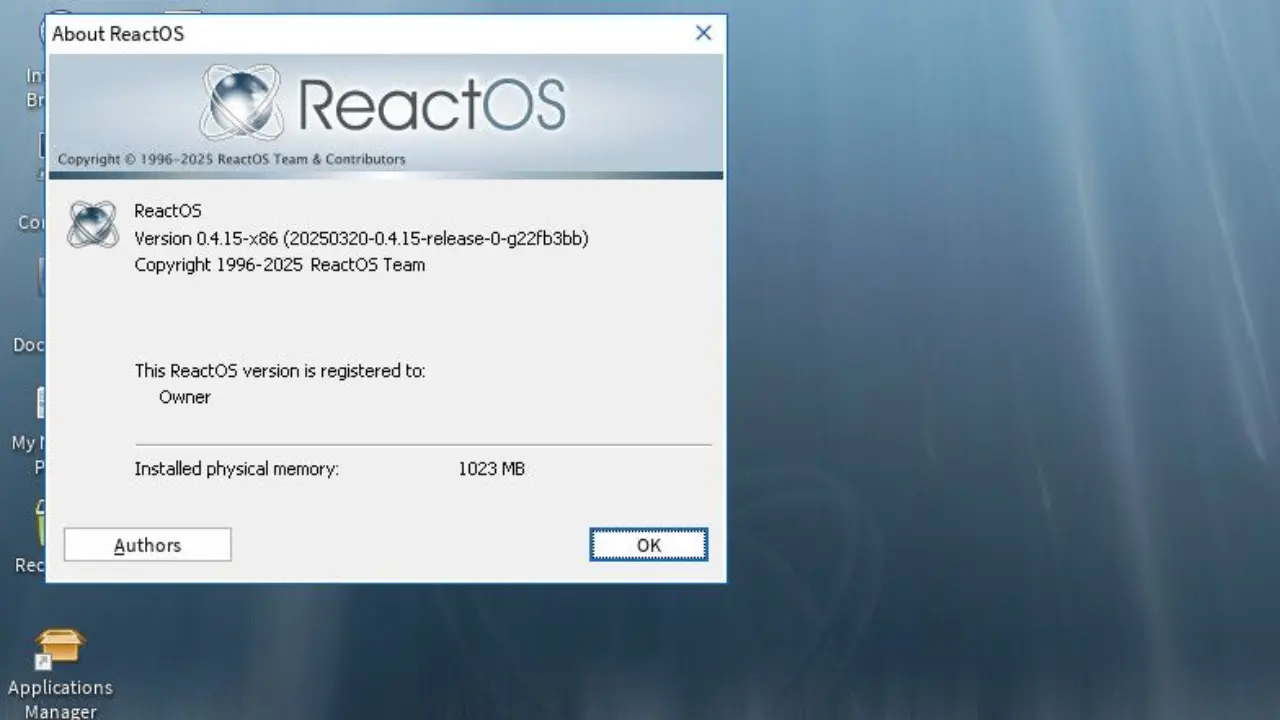
Big milestone for ReactOS: The popular free software unlocked a new achievement by implementing its first NT6 system call, bringing Windows Vista (and later) compatibility a bit closer. The system call added is NtGetCurrentProcessorNumberEx, which returns the processor number of the logical processor on which the caller is running.
This week in Microsoft News

We have a separate weekly roundup for all the news and updates related to the Redmond giant and Windows, called Microsoft Weekly. The latest issue covers Windows 11 hitting 70% on Steam, the new Xbox strategy, Frontier Company, job cuts, and more.
This week in science news

Catch up on some of the latest science and out-of-this-world updates that arrived throughout the week:
Are we living in a simulation? A new study concludes that the universe cannot be a computer simulation. Researchers demonstrated that a complete description of physical reality requires a non-algorithmic understanding that goes beyond purely computational limits.
What else in gaming?

The latest issue of Pulasthi's Weekend PC Game Deals curates several exciting games on sale this week. Epic Games' weekly promotion refreshed with new games; you can claim copies of River City Girls 2 and I Have No Mouth, and I Must Scream.
Microsoft's latest promotion brought high-profile titles, including Black Ops 7 and Diablo IV, to Xbox Free Play Days. NVIDIA GeForce NOW got 12 more games for the month of July, and Prime members got Symphony of War, Lonestar, and 10 more games.
That said, here are some more stories from the gaming world:
- Latest Microsoft Flight Simulator update enhances U.S. National Parks
- Minecraft on Bedrock finally gets Closed Captions, a decade after Java Edition
- Microsoft is "taking a fresh look" at Xbox investments as major cuts loom
- Payday 2 engine upgrade adds 64-bit and DX11 support, drastically shrinks install size
From the review corner
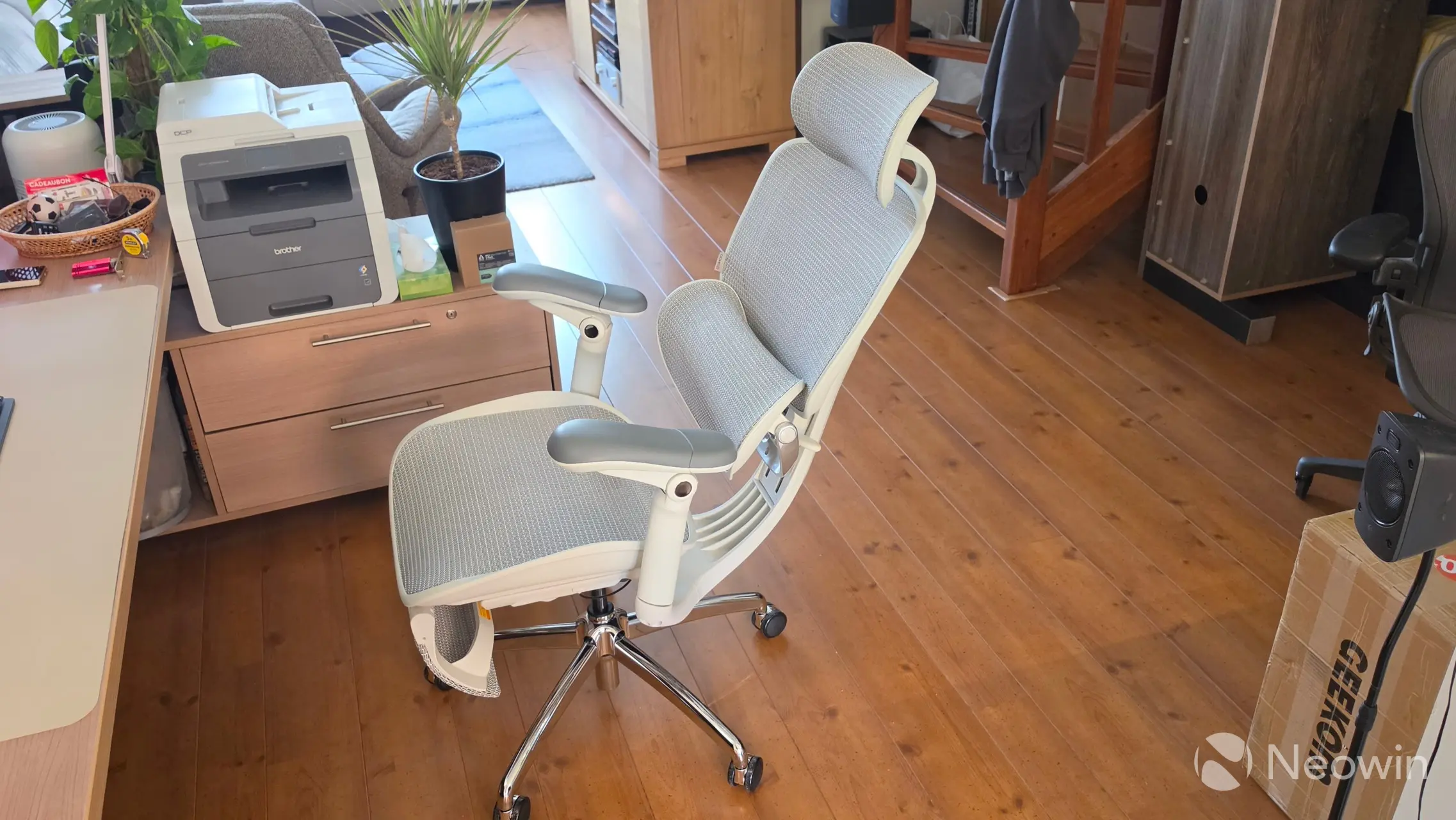
Steven was on a review spree this week, starting with the Sihoo Doro C300 Pro V2 ergonomic office chair, which he likes to call the Ikea of chairs. The flagship model got a 7/10 rating for its fully ergonomic design, great price, and visual appearance. However, points were deducted because it comes in two boxes, requires extensive assembly, the armrests constantly shift position, and the footrest is only rated up to 15 kg (33lbs).
HONOR Magic V6
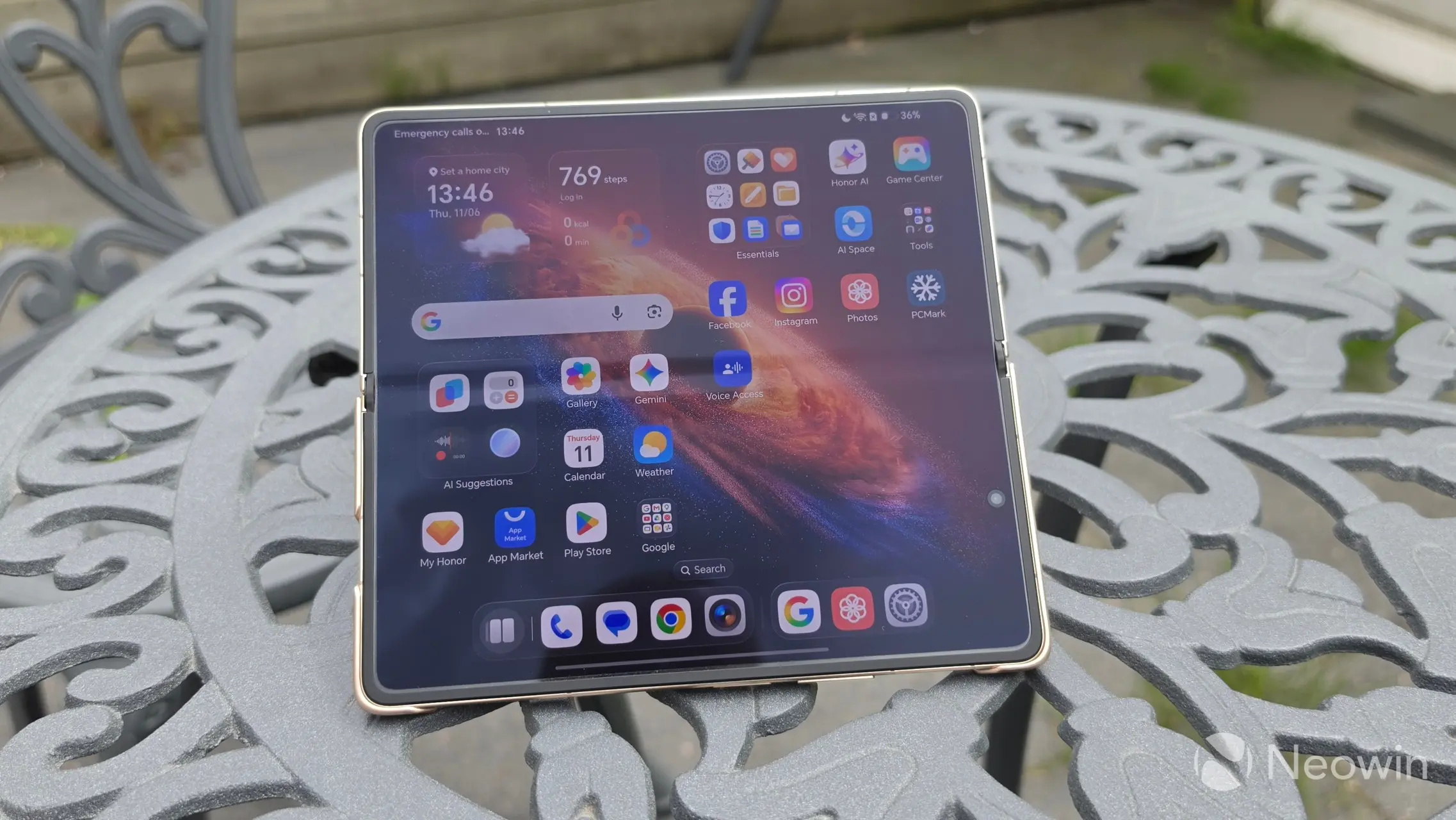
It's a foldable smartphone from HONOR that comes with a larger battery, a larger exterior screen, and a thinner body. HONOR Magic V6 got brownie points for its build quality, a great case with a stand in the box, 80W wired fast charging, and 66W wireless charging. While the device is available at a discount, it has a higher RRP, a quirky MagicOS 10, and is underclocked by default.
OUKITEL WP500 Ultra
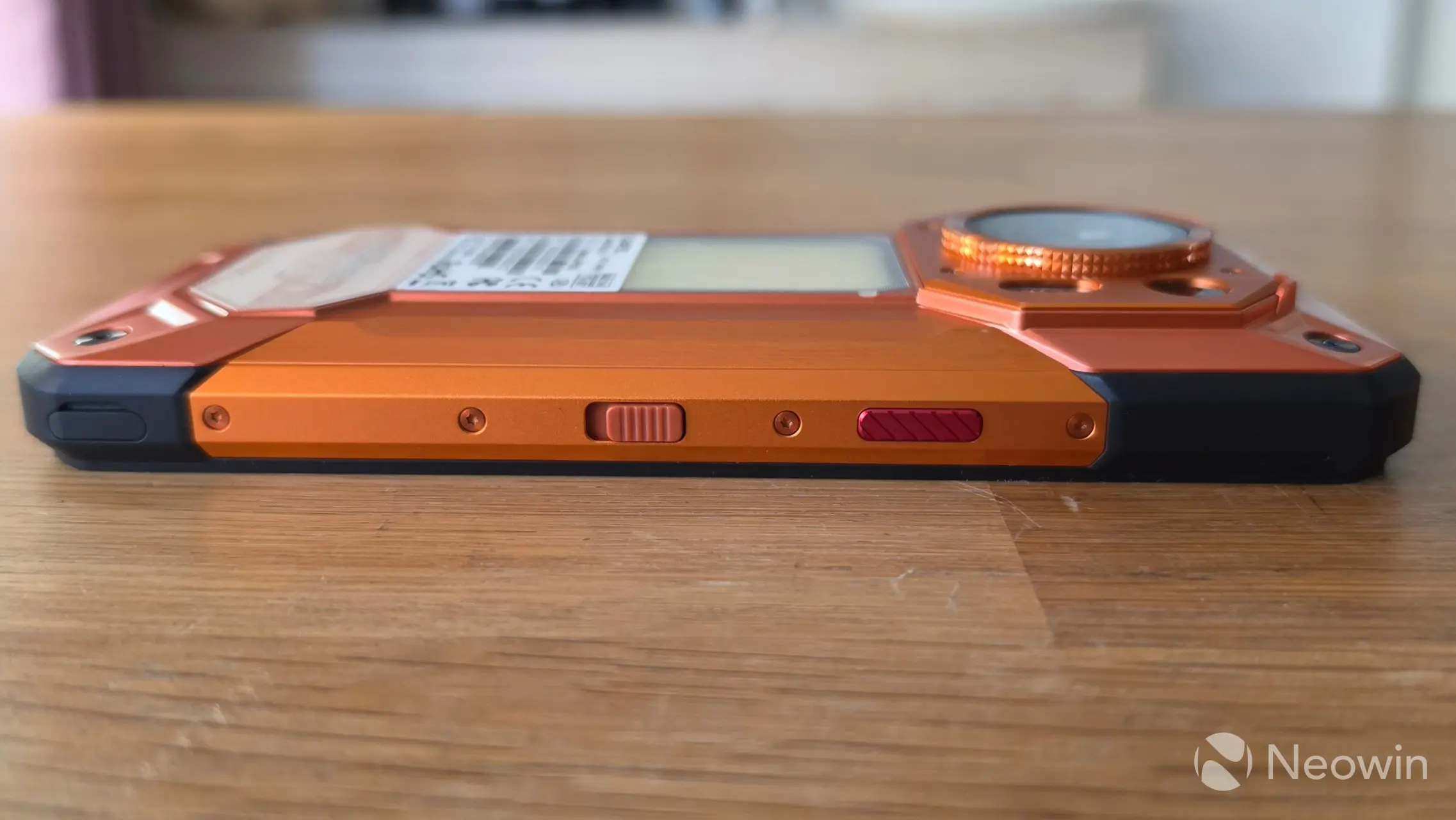
If you're looking for a rugged smartphone, check out the review of OUKITEL WP500 Ultra, which started shipping on June 29. Scoring 7/10, the device is ruggedly built, looks cool, and offers a 120Hz display and 5G connectivity. However, it's a bit heavy at 414 grams, has a poor night vision camera, has ad bloat on the lock screen, and is pricey without discounts.
HONOR Watch 6
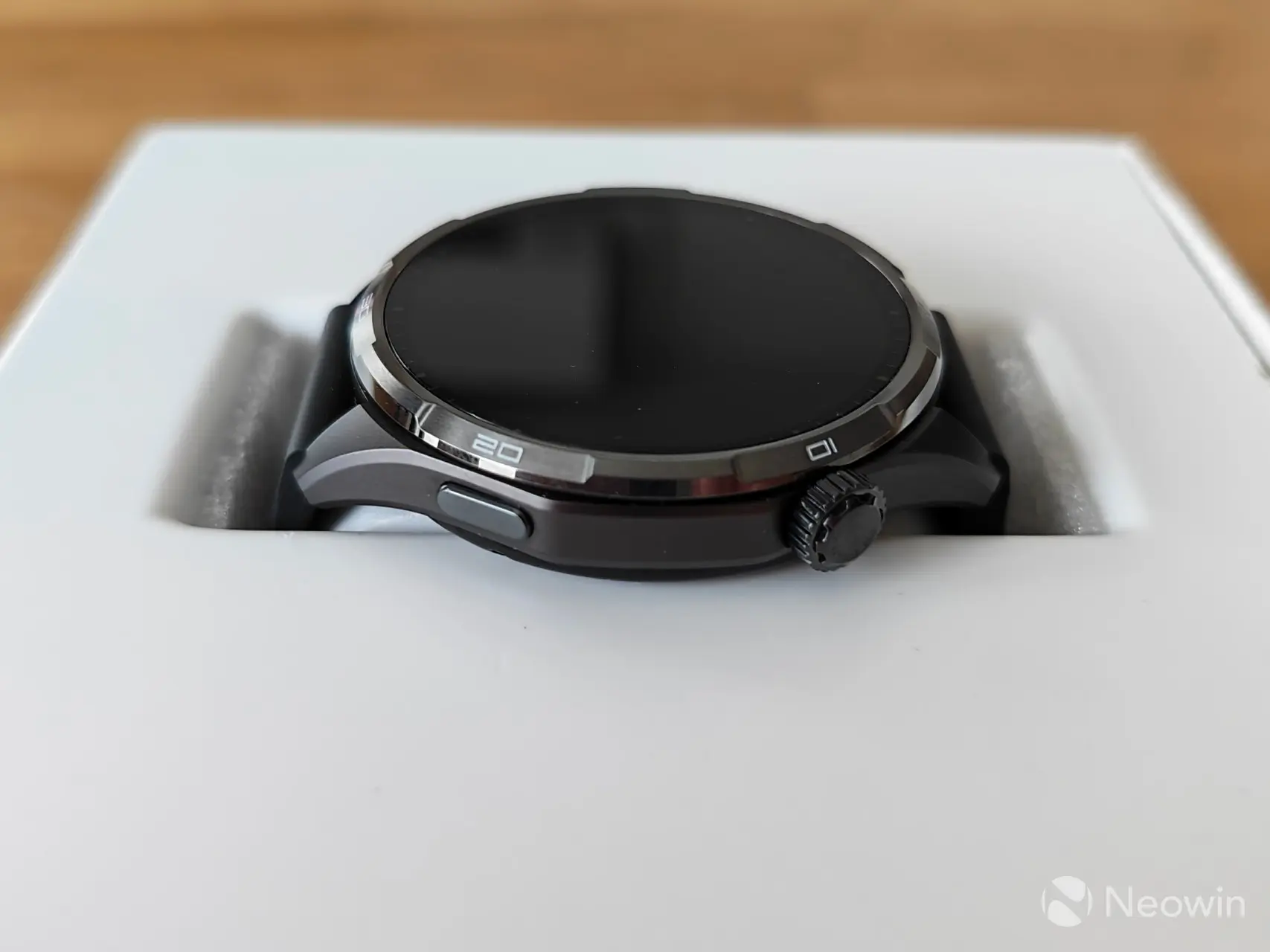
Keeping your smartwatch charged all the time is a real pain, and HONOR Watch 6 tries to address that by promising up to 35 days of battery life, complemented by a crisp, vibrant display, a great price, and a less chunky design than the Watch 5 Ultra. On the other hand, its bedtime mode doesn't sync to the phone, the wallet option varies by region, and you can't interact with notifications.
So, these were some of the biggest tech news and other updates from this week. There will be more issues of our 7 Days series in the coming weeks and months, so stay tuned. You can also support Neowin by registering for a free member account or subscribing to extra member benefits, along with an ad-free tier option.
Have a great weekend!
Hope you enjoyed this news post. Feedback welcome.
Posted Monday 6 July 2026 at 7:27 am AEST (my time).
News posts: 2023 5,800+ | 2024 5,700+ | 2025 5,700+ | 2026 (to end of June) 2,475
Recommended Comments
There are no comments to display.
Join the conversation
You can post now and register later. If you have an account, sign in now to post with your account.
Note: Your post will require moderator approval before it will be visible.