

3175x175(CURRENT).thumb.jpg.b05acc060982b36f5891ba728e6d953c.jpg)
A week of Spotify deleting 75 million AI songs, vulnerability in Zoom, iPhone 18 Pro leak, and NotebookLM major change.
7 Days is a weekly roundup of picks of what's been happening in the world of technology - written with a dash of humor, a hint of exasperation, and an endless supply of (black) coffee.
This week's highlights include iPhone's variable aperture camera rumors, vulnerabilities in Zoom and other software, and NVIDIA added support for 240FPS recording in ShadowPlay. Let's get started.
You can check out the recent issues of the 7 Days weekly roundup.
Samsung threatens data deletion
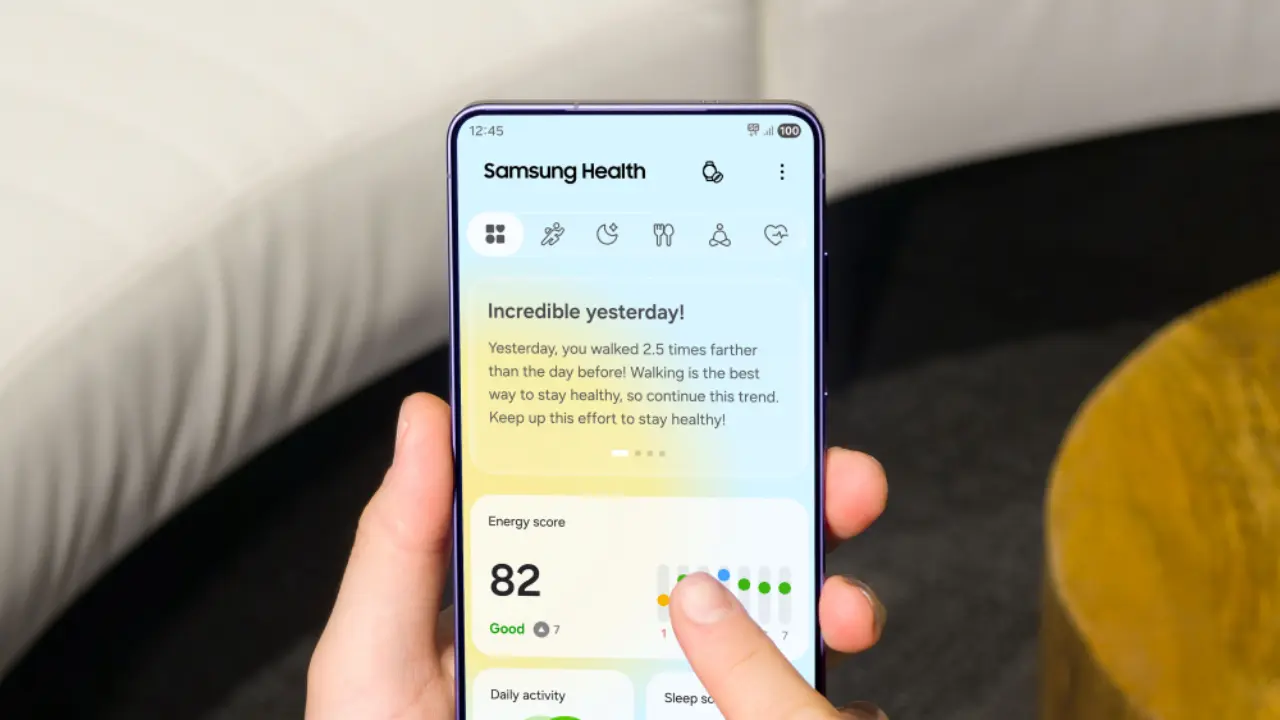
The South Korean giant is resorting to different tactics to grab user data for AI training. It has created a dilemma for users by adding a controversial AI data consent toggle in Samsung Health. The users either have to consent to the use of their private health data to train new AI models or risk losing it forever.
Firefox to follow Chrome

Another hot update from the week is about Mozilla Firefox. The web browser will adopt a two-week or bi-weekly release cadence from September 2026 (Firefox 155) along the lines of Chrome and Edge. While these experimental bi-weekly Firefox releases for desktop and Android will ship updates sooner, Mozilla will still focus on quality over speed and won't push unfinished features.
Man loses 25 years of data

A recent incident speaks about the horrors of cloud-based storage and what could happen if things go south. Streamer Joshua Khane said that Microsoft permanently suspended his account after it got hacked, resulting in lost access to 25 years of stored data, which included his son's baby photos.
While Microsoft's cloud security is designed to minimize attacks and data breaches, its support email told Khane that suspension was necessary to prevent further misuse, and any content tied to the account is unrecoverable. It's always recommended that you take the necessary steps, such as enabling 2FA and other recovery settings, or even create your own local cloud to avoid situations like this.
That said, there is still hope. A Brazilian gamer ended up in a similar situation after their Xbox account was hacked and Microsoft refused to restore it, citing policies. It was reported that the gamer won a lawsuit against Microsoft, and the company was ordered to restore the account, digital games, and pay around $400 in damages. However, different countries have different consumer protection laws.
In other security news, the US Department of Homeland Security dismissed signs of cyber intruders twice, calling it harmless activity, while the hackers went wild for weeks and stole credentials.
Our Features

Our coffee-powered team published a platter of editorials, opinion posts, and guides. Check them out:
- Messi or Ronaldo or someone else? Google might have helped finally settle the GOAT debate
- How to find your product key for Windows 11 and 10
- How to check your disk health in Windows 11 to prevent data loss
- How to keep your drivers when reinstalling Windows (no internet connection needed)
- Windows 11 Search finally feels like it does its job properly
- Here's how to update every app on your Windows PC with a single command
- How to check your Windows laptop's battery health (no third-party software needed)
- How to check your motherboard model without opening up your Windows 11 PC
This week in software news
Catch up on some of the latest software news updates that arrived throughout the week:
Spotify's AI assistant: After messaging, you can now talk to an AI assistant inside the Spotify app. It can play songs that you'd like, add them to your library, and answer questions on things that make you curious, all through voice commands.
Don't spoil the show: Discord finally got Spoiler Channels to put major plot twists, emotionally heavy topics, or other sensitive discussions behind a warning screen so people can get context before opening it. Before this, server owners had to rely on workarounds, such as Reaction Roles.
Linux 7.2-rc3: Linus Torvalds released a normal-looking release candidate this week, with fixes for the SEGA Dreamcast driver, display detection improvements, and other areas.
Massive performance drop: Ubuntu engineers warned that an upcoming 7.0.0-28.28 kernel release can lead to a substantial 43 times performance hit on certain compute-heavy workloads. It highlighted that the regression affects the AMD GPU driver and can dramatically reduce throughput.
Update your Zoom app: Zoom recently patched a critical Windows vulnerability that, if exploited, allowed attackers to take remote control of devices over the internet. It's recommended that you download the emergency security update for Zoom on your Windows 11 device.
240 FPS ShadowPlay: NVIDIA App version 11.0.8 comes with 240 FPS ShadowPlay recording support as its biggest perk. But the twist is that the feature is only available to users with GeForce RTX 50 and 40 Series GPUs.
Beware of the Shark: It was reported that a remote vulnerability affects millions of internet-connected Shark robot vacuum cleaners, exposing them to remote code execution (RCE). This due to a misconfigured AWS policy.
LibreOffice vs Microsoft: The Document Foundation (TDF) again went after Microsoft, criticizing its OOXML for creating a long-term vendor lock-in and threatening the sovereignty of users and governments.
This week in hardware news

Catch up on some of the latest hardware news updates that arrived throughout the week:
OnePlus says goodbye to US: OnePlus exited the US and European markets as part of Oppo's major restructuring. It could even abandon India next year and remain active in its home market, China. Realme officially confirmed that it will exit China.
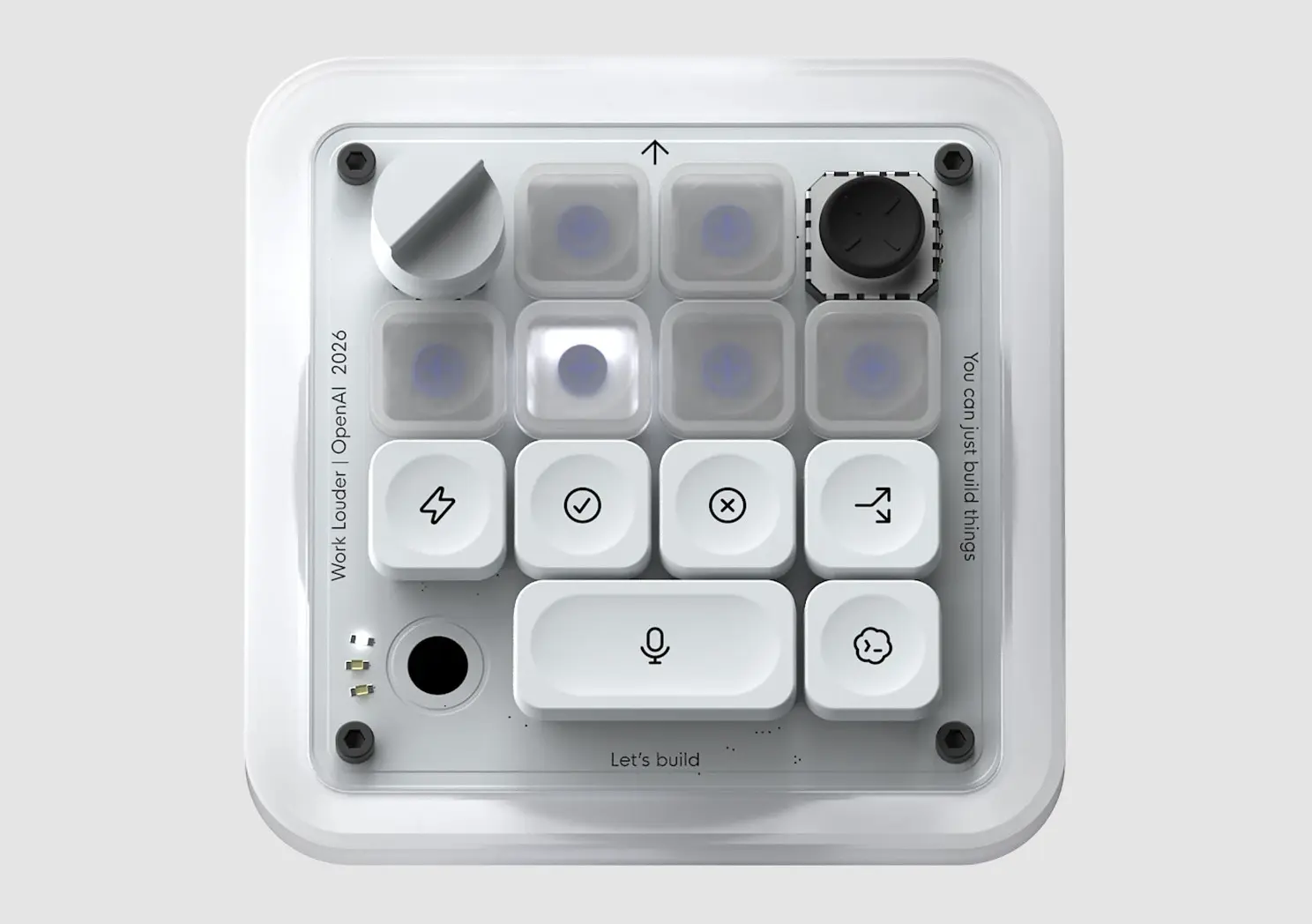
OpenAI's control panel: The ChatGPT-maker launched a new developer-focused hardware called Codex Micro. Featuring dedicated mechanical keys, a joystick, and a rotary dial, the $230 control panel is meant for developers running multiple agents through Codex.
Samsung teases Galaxy Watch: Of course, the "next evolution" of the Galaxy Watch is around AI. But it will also be an "always-on gateway" for tracking how we sleep and move, according to Samsung. Recent leaks suggest Snapdragon chips, bigger batteries, and a 5000-nit display are on the way.
Hope for TV Time: One of the founders is working on a new app called Bingers to serve as the new home for loyal fans. They will be able to import their TV Time archives into the app. Moreover, the app will improve performance and fix technical issues people faced with TV Time.
Who leads smartphones? Samsung and Apple increased their global market share in 2Q2026 despite a worldwide crisis in the memory and RAM markets. It's said that the delayed S26 launch and iPhone 17 series were the primary drivers for the companies.
Six Pixel 11 models? Leaked FCC listings revealed six Pixel 11 models, and Google might replace Samsung's modems with MediaTek's M90 modem. As Google announced, the Pixel 11 series will be announced on August 12.
Samsung 990 non-PRO SSD: The South Korean giant explained that its new offering is better than the 990 PRO in one aspect, noting it offers "up to a 38% improvement compared to the 990 PRO." Starting at $270, it's Samsung's most power-efficient SSD yet.
New display tech: Samsung also unveiled the Flex Titanium display technology, which will power the next generation of Galaxy foldable smartphones. It features a redesigned internal structure to make the screen more durable and reduce the crease.
Amazon bags top ISP: The e-commerce giant's Amazon Leo satellite internet service has partnered with South Africa's largest internet provider, Herotel, to offer internet services in rural areas. While SpaceX is not available in the region, the upcoming service will cater to homes and small businesses beyond the reach of fiber and fixed wireless.
AMD Ryzen 7700X3D: The company announced that the not-so-cheap substitute for the 7800X3D is now available for purchase ($329). However, the AM5-based 7700X3D is slightly slower than the popular 7800X3D.
This week in Google News

Catch up on some of the latest Google news updates that arrived throughout the week:
Don't block DNS resolvers: Google told the European Commission that blocking DNS resolvers, VPNs, and IP addresses might do more harm than good when trying to curb piracy. It might affect legit services that rely on the same infrastructure, give rise to alternative platforms, and it doesn't remove the content from the platforms at all.
Open your data: The European Commission issued binding instructions to Google requiring it to open access to Android and Search data for rival AI assistants and search engines. In other words, key Android features should be available to others under the same conditions as Google's own products, including Gemini.
Chrome features for UK: Several Gemini AI features, including page summaries, product comparisons, and image generation, are now rolling out to Chrome users in the UK. This is happening months after the features were released to people in the US. A new Chrome update fixed seven vulnerabilities, including three critical ones.
Less chatty Waze: Google updated its other navigation app with a new motorcycle mode, AI-powered reports, personalized routes, and Gemini Search. However, the cherry on top is a new setting that keeps Waze voice prompts to a minimum and brief.
Google Images turned 25: The search giant is celebrating the occasion by rolling out a revamped interface. Available in the US, the new Google Images now has a "dynamic, immersive gallery" of images from across the web that updates in real-time.
Global framework for AI: Concerns over AI's impact on society and economy are rising. Google DeepMind CEO Demis Hassabis said there should be a global watchdog to regulate and oversee frontier AI models and future AI tech.
Connect your apps: Along the lines of Personal Intelligence, you can now securely link your most-used apps and interact with them directly through the AI Mode in Google Search. The feature is currently rolling out in the US.
NotebookLM is no more: No, it's not dead. Google decided to rebrand the research assistant, and now it's called Gemini Notebook. Google added that native coding abilities are now rolling out to AI Pro users, and Gemini Notebook will soon arrive in the AI Mode.
Gemini faces a setback: Google is unable to release the Gemini 3.5 Pro frontier model, even months after the Flash model launched. The delay is due to a desire to improve the model's coding performance, and the results after training are not meeting expectations.
Google Vids gets new features: The AI video maker added support for the Omni Flash model to generate higher-quality videos and to make changes to existing videos using text prompts. It also added personal avatars that you can use to appear in videos without having to record yourself.
AI note-taking in Meet: The feature is being updated with new controls for administrators and individual users to have more flexibility over when it activates automatically. There is a new option for meetings with three or more people.
This week in Apple News

Catch up on some of the latest Apple news updates that arrived throughout the week:
Apple competing with NVIDIA: It was reported that future Apple Silicon, notably the M7 Ultra, would be powerful enough to rival NVIDIA's Blackwell. It will reportedly support 1.5 terabytes of memory and lay the groundwork for Apple's future AI server chips.
OLED iPad mini, finally: A leaker claimed that the iPad mini 8 could arrive this year with an OLED display. It will be an 8.4-inch LTPS hybrid OLED panel with a 60Hz refresh rate. The iPad mini 8 is also rumored to get the A20 Pro chip.
Knock Knock: Apple is working hard to debut Apple Intelligence in China, and the iPhone-maker turned to Alibaba for its Qwen models and Baidu to power localized features. While there is no release date, it was reported that Apple has cleared regulatory hurdles in China.
Trying to stop Apple: Amid the global memory shortage, the company is trying to source DRAM from CXMT. It was reported that US congressional leaders are urging the Trump administration to step in and block the move.
Variable Aperture: A fresh leak dropped on the web, seemingly confirming that the iPhone 18 Pro will feature a variable aperture camera. However, it could also drive up the device's price, as is expected.
This week in Meta news
Catch up on some of the latest Meta, WhatsApp, and Instagram updates that arrived throughout the week:
ChatGPT WhatsApp chatbot: The ChatGPT chatbot inside WhatsApp apparently started working again. This happened after the EU ordered the social media giant to open its platform to rival chatbots. However, there has been no official statement from Meta about the comeback.
Social media curfew: The UK government is working to introduce overnight curfews for 16- and 17-year-olds, with the aim of having them in place by Spring 2027. Addictive features, such as auto -playing videos (Instagram Reels, TikTok) and feeds, will be disabled by default during this time.
New alert system: Meta is adding a new system to alert parents when their teenager's conversations with Meta AI suggest they are thinking of suicide or self-harm. The company said it worked with parents and experts to determine which conversations should trigger an alert.
This week in AI news

Catch up on the latest artificial intelligence news updates that arrived throughout the week:
75 million songs removed: Spotify conducted a massive cleanup drive on its platform and removed 75 million tracks in the last year, which were mass-uploaded low-quality AI slop. Like other companies, Spotify is also dealing with the cons of AI-generated content while trying to support it.
Don't dismiss AI: Linus Torvalds pushed back hard against contributors opposing AI in Linux. He suggested those who disagree can "do the open-source thing and fork it" or simply walk away. While AI has shortcomings, it also has merits. In May, Torvalds was angry when people flooded the kernel with low-quality AI-generated bug reports.
More of GPT-5.6 Sol: After making its latest AI models globally available, OpenAI has improved GPT-5.6 Sol's efficiency by deploying inference optimizations, which should provide around 10% more usage. Moreover, it temporarily lifted the five-hour usage restriction for ChatGPT Plus, Business, and Pro subscribers.
Fear the Grok: SpaceXAI's new coding agent Grok Build automatically uploaded entire Git repositories to a Google Cloud Storage bucket, a researcher found. Elon Musk later confirmed that all previously uploaded information will be deleted.
Codex deleting files: In related news, OpenAI warned that GPT-5.6-powered Codex may unexpectedly delete files from users' home directories in some cases. It happens when the AI is granted full access or when auto-review is disabled.
Slowly catching up: The open-weight Kimi K3 model now trails Claude Fable 5 and GPT-5.6 Sol in day-to-day general experience. The numbers across several benchmarks suggest it has finally caught up with proprietary US-based rivals.
iPassword for Claude: The Anthropic chatbot now has a secure way to access your 1Password passwords and one-time codes in agentic mode and log in to services. 1Password will show the user what credential is being requested and why; it will also require your biometric approval.
This week in Microsoft News

Read about how the real location behind the iconic Windows XP Bliss wallpaper looks a lot different now. The Redmond giant also open-sourced Comic Chat, the software that introduced the Comic Sans font.
You can check out Ivan's freshly baked Microsoft Weekly roundup to catch up on all the interesting stories this week.
This week in science news

Catch up on some of the latest science and out-of-this-world updates that arrived throughout the week:
Why touchscreens? Modern car touchscreens are a dangerous distraction for drivers, according to safety experts. That's why European and Australian safety programs will encourage automakers to bring back physical buttons for essential driving controls.
Lightning Origins: Researchers used lasers to trap and study tiny airborne particles accidentally discovered that the light itself charges them. These sudden electrical bursts could finally explain how cloud lightning begins.
What sparked life? Researchers at Stanford discovered that tiny electrical discharges between splashing water droplets can create the chemical building blocks of life, offering a new explanation for Earth's organic molecules.
Modern physics puzzle: Virtual particles are one of the biggest puzzles in modern physics. They are mathematical tools essential for explaining quantum forces because their predictions match experimental results with extraordinary precision; physicists still debate whether they are physically real or merely models.
Wild Microsoft Tech: Microsoft scientists demonstrated glass-based data storage capable of preserving terabytes of digital information for more than 10,000 years. The system can store the equivalent of about two million books in a thin, palm-sized piece of glass.
This week in gaming
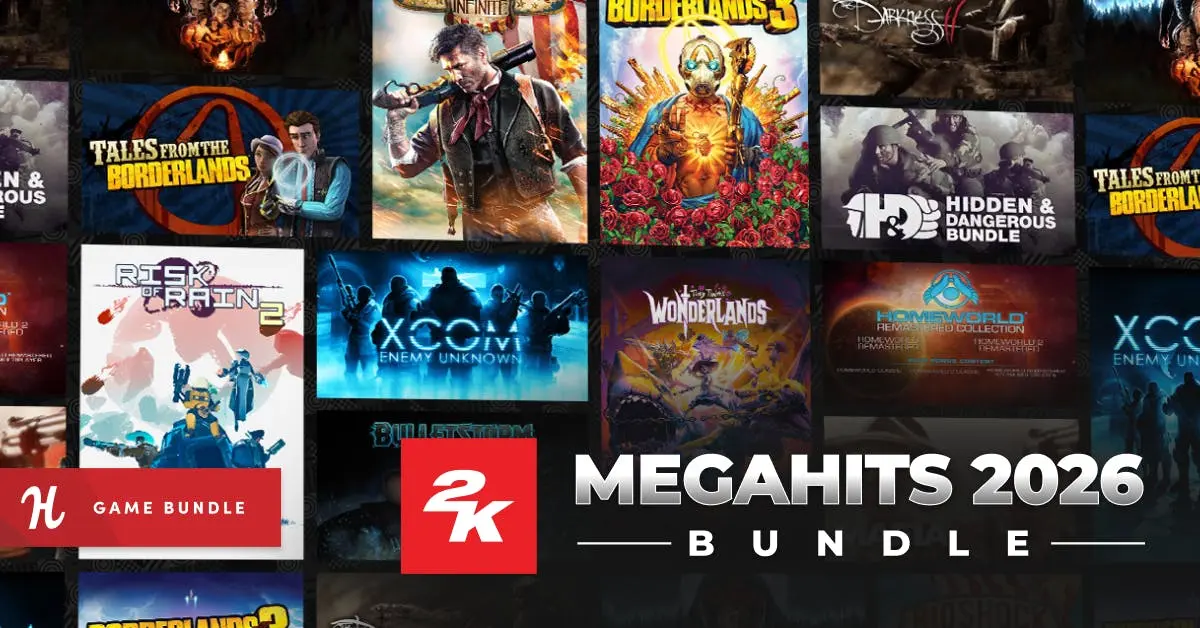
The latest issue of Pulasthi's Weekend PC Game Deals curates several exciting games on sale this week. On the Epic Games Store this week, copies of Echo Generation Midnight Edition and Luto are free to claim.
That said, here are some more stories from the gaming world:
- Gamers can now plan ahead with Valve's official Steam 2027 sale schedule
- Nvidia GeForce NOW rolls out for new region as five more games gain support
- GTA Online, Planet Zoo, Dragon Ball and more join Xbox Free Play Days
- New Forza Horizon 6 update fixes bugs with in-game AI and resets the Rivals Leaderboards
From the review corner
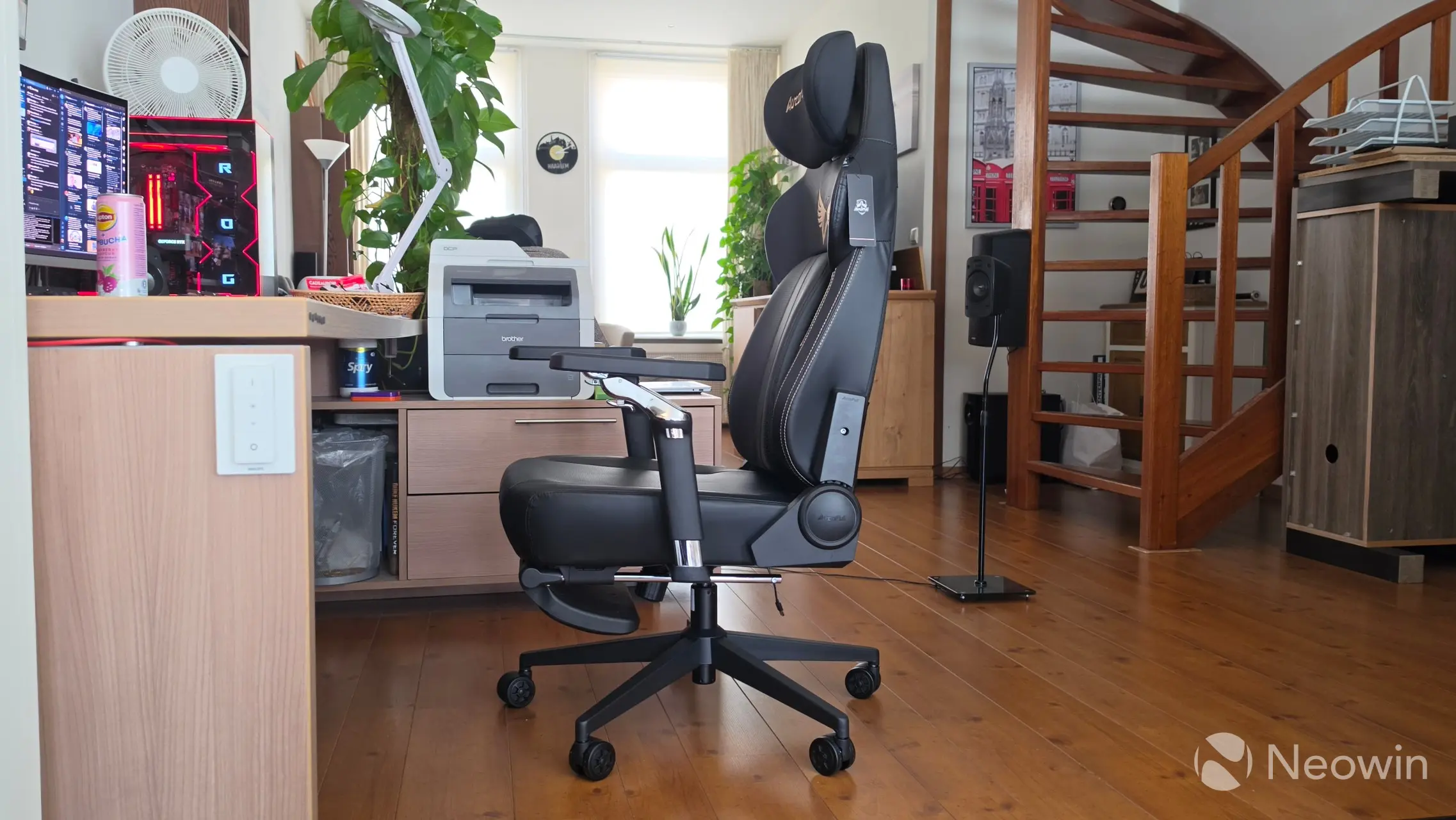
This week, Steven got his hands on the AutoFull M6 Ultra 2.0 ergonomic gaming chair that cools, heats, and vibrates, which you might get at a discounted price of $539.99. Speaking of the pros, it comes with comfortable PU leather, and the armrests are comfortable. However, the seat depth might be an issue for tall users, lumbar height adjustment is limited, and the vibration is a bit gimmicky.
REDMAGIC Astra 2 Gaming Tablet
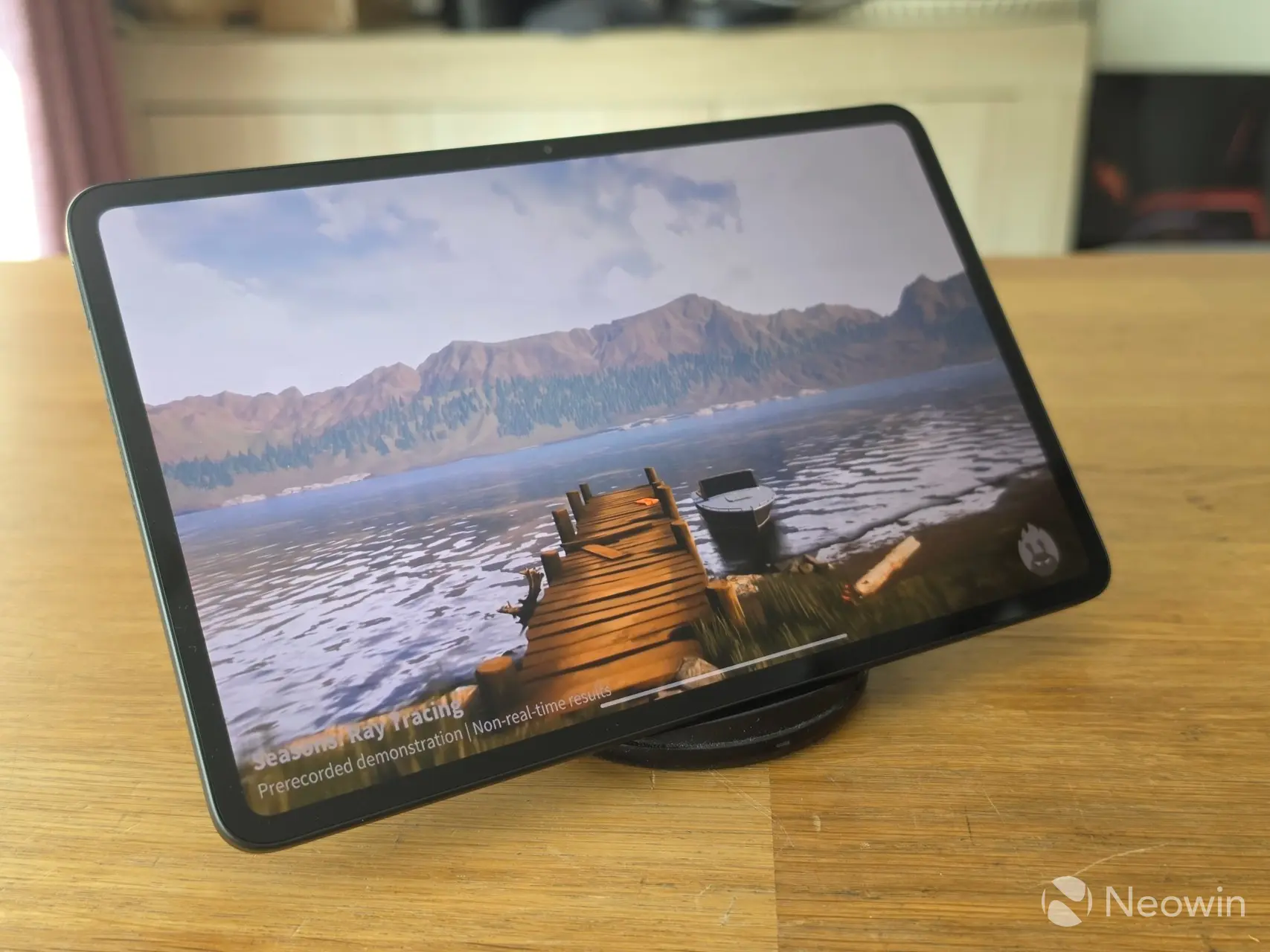
A new Android tablet on the market is the REDMAGIC Astra 2 Gaming Tablet, which comes with a 9-inch OLED display, a massive 8300 mAh battery, and a 24-month warranty. The device is Thin and very light at 363g, and its display can shoot up to 185Hz. However, it doesn't have SIM/eSIM or LDAC support, the charger must be bought separately, and it has no Qi wireless charging.
Upcoming tech events
- Samsung Galaxy Unpacked (July 22)
- Made by Google (Pixel Event) (August 12)
- iPhone launch event (date not announced)
So, these were some of the biggest tech news and other updates from this week. There will be more issues of our 7 Days series in the coming weeks and months, so stay tuned.
Have a great weekend!
Hope you enjoyed this news post. Feedback welcome.
Posted Monday 20 July 2026 at 7:19 am AEST (my time).
News posts: 2023 5,800+ | 2024 5,700+ | 2025 5,700+ | 2026 (to end of June) 2,475
- Matt
-
 1
1
Recommended Comments
There are no comments to display.
Join the conversation
You can post now and register later. If you have an account, sign in now to post with your account.
Note: Your post will require moderator approval before it will be visible.