

3175x175(CURRENT).thumb.jpg.b05acc060982b36f5891ba728e6d953c.jpg)
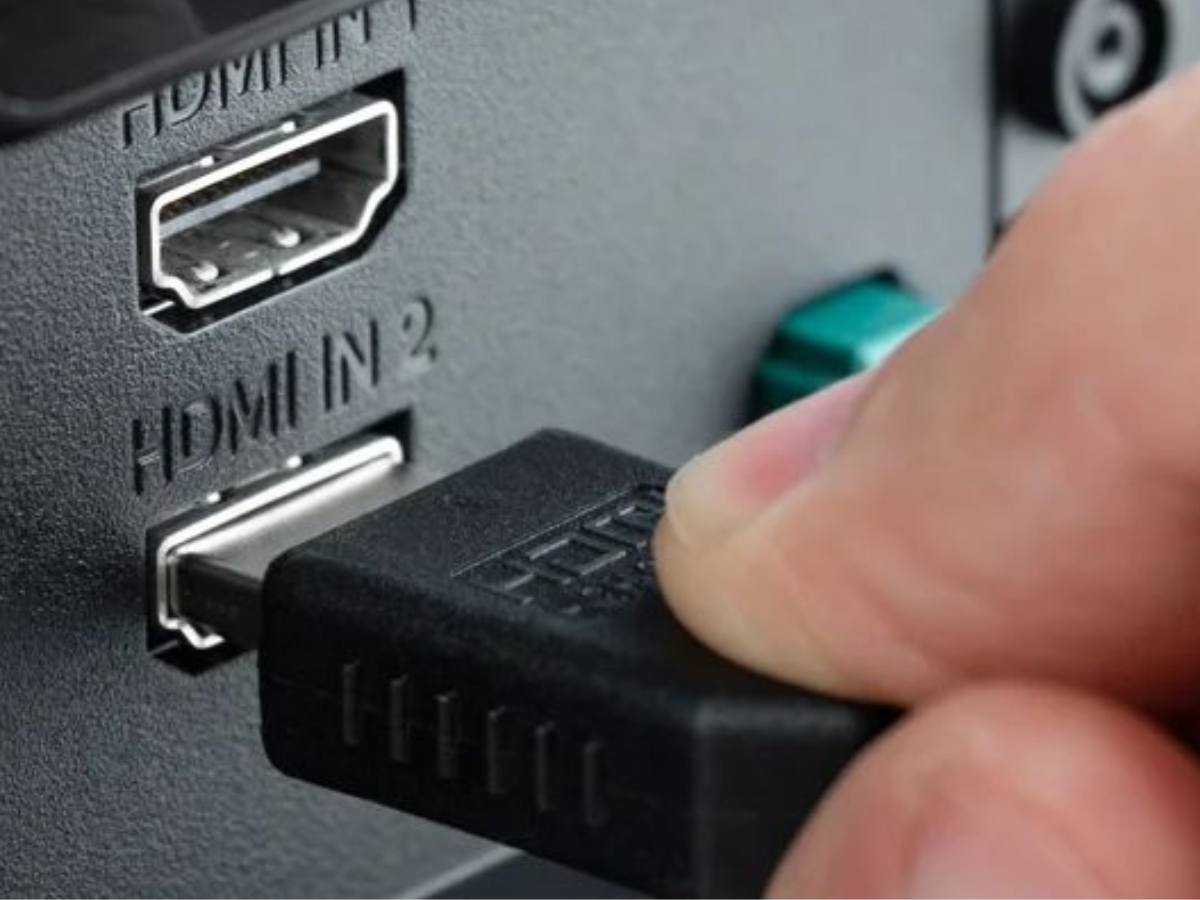
Running out of HDMI ports on a TV is easy to do. Game consoles, streaming boxes, PCs, and sound systems quickly fill up the available inputs, and constantly unplugging cables gets old fast. Fortunately, you don't need to replace your TV to fix the problem.
There are three realistic ways to expand your HDMI connectivity, each with its own trade-offs.
HDMI switches are the easiest solution
An HDMI switch is the simplest and most affordable way to add more ports. You connect multiple devices to the switch, plug the switch into a single HDMI port on your TV, and select which device you want to use.
For most users, this is more than enough. Basic models are inexpensive and easy to use, while mid-range switches offer four or five inputs and include a remote. Many modern switches support 4K at 60Hz, which is sufficient for streaming devices and older consoles.
The main thing to watch for is feature support. Not every switch handles HDR, surround sound, or high refresh rates like 4K at 120Hz. If you're using newer consoles or a gaming PC, make sure the switch explicitly supports those features. It's also smart to buy a switch with more inputs than you currently need, as devices tend to accumulate over time.
AV receivers work, but only if you need better audio
AV receivers can also function as HDMI hubs. Most models include multiple HDMI inputs and a single output to the TV, effectively acting as a high-end switch while also managing audio.
However, buying a receiver just to gain HDMI ports rarely makes sense. They're far more expensive than HDMI switches and take up more space. Where they shine is in setups where audio quality matters. If you're planning to use speakers or upgrade your home audio, an AV receiver solves both sound and connectivity in one device.
Before buying, check that the receiver supports HDMI passthrough and the video features you need, especially if you care about HDR or high refresh rates.
Soundbars with HDMI inputs are a niche option
Some soundbars include multiple HDMI inputs alongside eARC support. In theory, this lets the soundbar handle both audio and video while adding extra ports.
In practice, this option is limited. Many soundbars only include one HDMI input, and models with two or three inputs are often expensive. Passthrough support can also be inconsistent, especially for gaming features like VRR or 4K at 120Hz.
Soundbars make sense if you already want one and don't need advanced video features. Otherwise, they're usually not the best way to expand HDMI connectivity.
The bottom line
For most people, an HDMI switch is the best answer. It's cheap, simple, and effective. AV receivers are worth considering only if you also want better audio, while soundbars with HDMI inputs tend to be the least flexible option.
If your TV still meets your needs, adding more HDMI ports is a small upgrade that can save a lot of frustration-and it doesn't require buying a new display.
Hope you enjoyed this news post. Feedback welcome.
Posted Friday 9 January 2026 at 5:25 am AEST (my time).
News posts... 2023: 5,800+ | 2024: 5,700+ | 2025: 5,700+
Recommended Comments
There are no comments to display.
Join the conversation
You can post now and register later. If you have an account, sign in now to post with your account.
Note: Your post will require moderator approval before it will be visible.