


3175x175(CURRENT).thumb.jpg.b05acc060982b36f5891ba728e6d953c.jpg)
In November 2024, Microsoft announced the Windows Resiliency Initiative (WRI), a new effort aimed at enhancing the security and reliability of the Windows platform, thus preventing massive disruptions and outages similar to the one that occurred in June 2024. As part of WRI, Microsoft has developed new tools and Windows improvements, some of which are coming soon to a Windows 11 PC near you.
Those improvements include the so-called Quick Machine Recovery, a redesigned "Blue Screen of Death," and changes to kernel access for anti-virus software. For those unfamiliar, Quick Machine Recovery is a new feature that fixes computers that cannot boot. When big outages occur, say a botched update, malware, or another issue, Microsoft can quickly deploy the necessary fixes and apply them via Windows Recovery Environment (WinRE). This enables quick machine recovery (hence the name) without the need for manual, often complex interventions from IT administrators.
Quick Machine Recovery will be available in all Windows 11 editions with version 24H2 and newer. It will be enabled by default for those using Windows 11 Home, and IT admins will have control over it on systems with Windows 11 Pro and Enterprise. You can read more about QMR in the official documentation.
Another improvement is the redesigned Blue Screen of Death. It complements some of the crash dump collection improvements introduced by Microsoft in Windows 11 version 24H2, which enable faster restarts when system crashes occur. Thanks to that, it only takes about two seconds for the system to gather the necessary data and restart.
With the redesigned interface, Microsoft makes it easier to read and understand what happened. Additionally, the new UI aligns with the rest of Windows 11's design and provides the necessary technical information, including the stop code and the driver that failed.
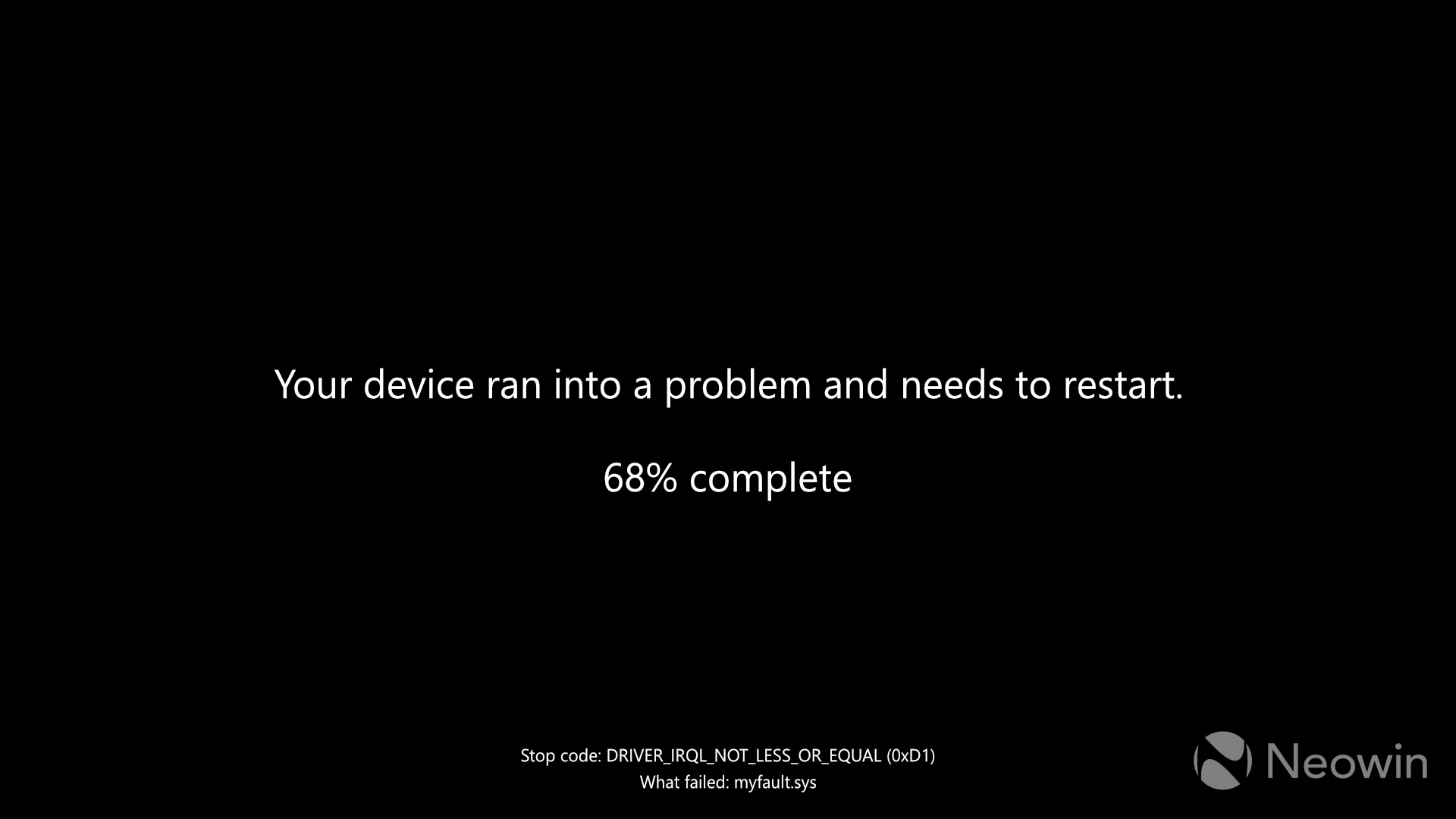
In a newly published blog post about the Windows Resiliency Initiative, Microsoft announced that Quick Machine Recovery and the redesigned BSOD will be available to the public later this summer. Currently, they are being tested by users in the Windows Insider program.
Additionally, Microsoft introduced the Windows Resiliency Initiative e-book, a guide designed to help organizations better understand how Windows protects them and their users from major disruptions. You can check it out using this link (PDF). All these improvements are one of the reasons why users and businesses should consider updating to Windows 11 and leaving its predecessor behind, even though customers can receive an extra year of Windows 10 support for free.
Hope you enjoyed this news post.
Thank you for appreciating my time and effort posting news every day for many years.
News posts... 2023: 5,800+ | 2024: 5,700+ | 2025 (till end of May): 2,377
RIP Matrix | Farewell my friend
Recommended Comments
There are no comments to display.
Join the conversation
You can post now and register later. If you have an account, sign in now to post with your account.
Note: Your post will require moderator approval before it will be visible.