

3175x175(CURRENT).thumb.jpg.b05acc060982b36f5891ba728e6d953c.jpg)
It turns out unreliable hardware might have more to do with your Windows BSoD errors than software bugs.
Windows and Linux have a long-standing rivalry as operating systems. And while the former holds a competitive advantage over the latter due to its massive market share and broad app compatibility, Linux is starting to gain some traction, especially after Microsoft ended Windows 10 support on October 14, 2025.
Similarly, Bazzite recently delivered a petabyte of ISOs in a single month as Windows 10 users continue to seek for alternatives beyond Microsoft's Windows 11 forced updates.
BSoD (Blue Screen of Death) errors are synonymous with Microsoft's Windows operating system, designed to alert users of a critical system failure related to a specific operation, with the potential to cause a device crash and forced reboot.
Microsoft has been trolled by users due to frequent BSoD errors, which seem to be becoming a common occurrence when interacting with the Windows operating system.
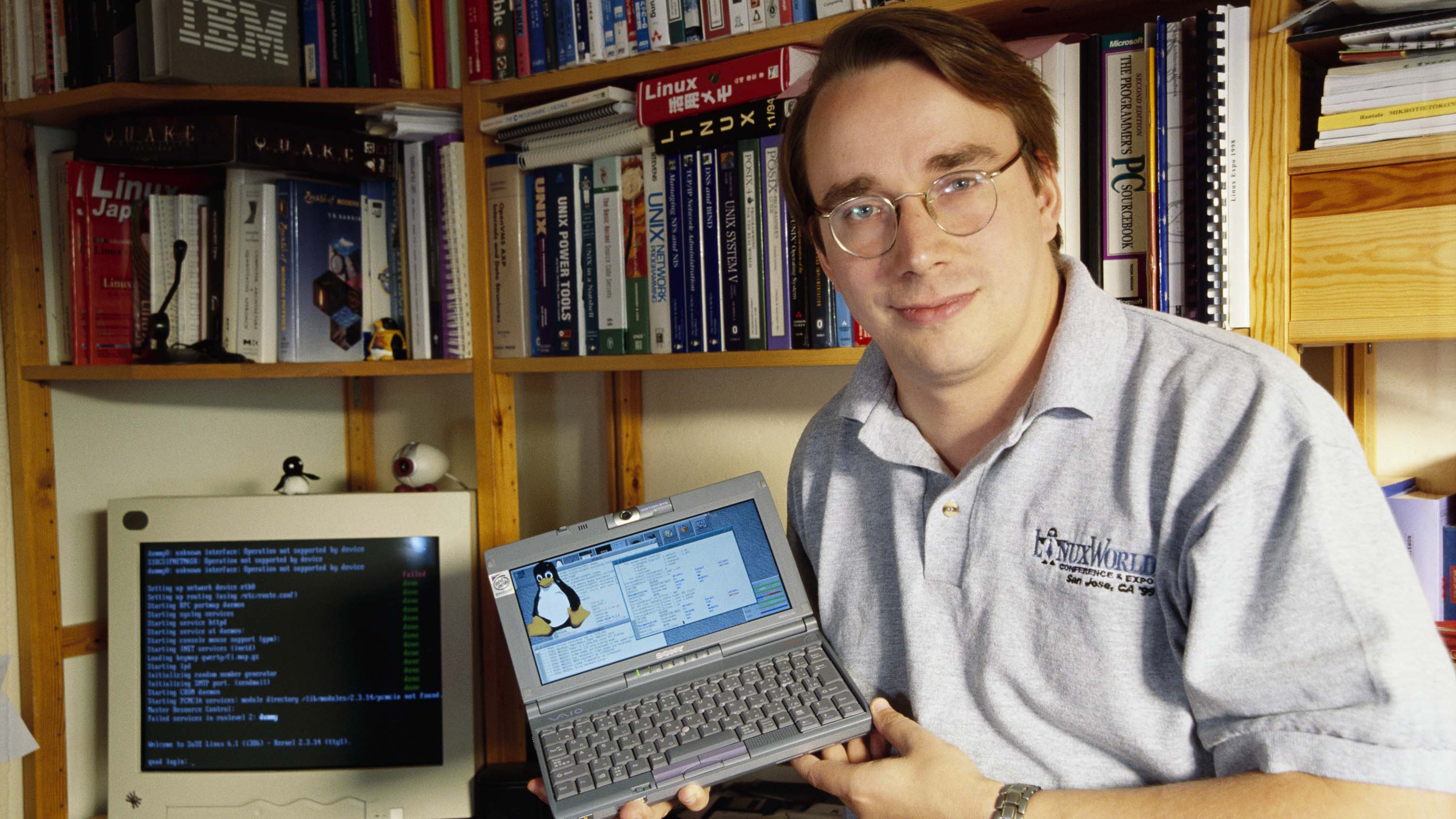
But perhaps more interestingly, Linux developer Linus Torvalds recently defended Microsoft's BSoD errors in Windows while building a PC with Linus Sebastian of Linus Tech Tips (via IT'S FOSS).
I am convinced that all the jokes about how unstable Windows is and blue screening, I guess it's not a blue screen anymore, a big percentage of those were not actually software bugs. A big percentage of those are hardware being not reliable.
Linux developer, Linus Torvalds
Torvalds reiterated the importance of having the ECC on your PC, which essentially makes it more reliable. He warned that the absence of the ECC on your device could lead to critical memory issues.
Recommended Comments
There are no comments to display.
Join the conversation
You can post now and register later. If you have an account, sign in now to post with your account.
Note: Your post will require moderator approval before it will be visible.