

3175x175(CURRENT).thumb.jpg.b05acc060982b36f5891ba728e6d953c.jpg)
Former Microsoft engineer Dave Plummer revealed why a Windows 95 classic could break performance records by mistake.
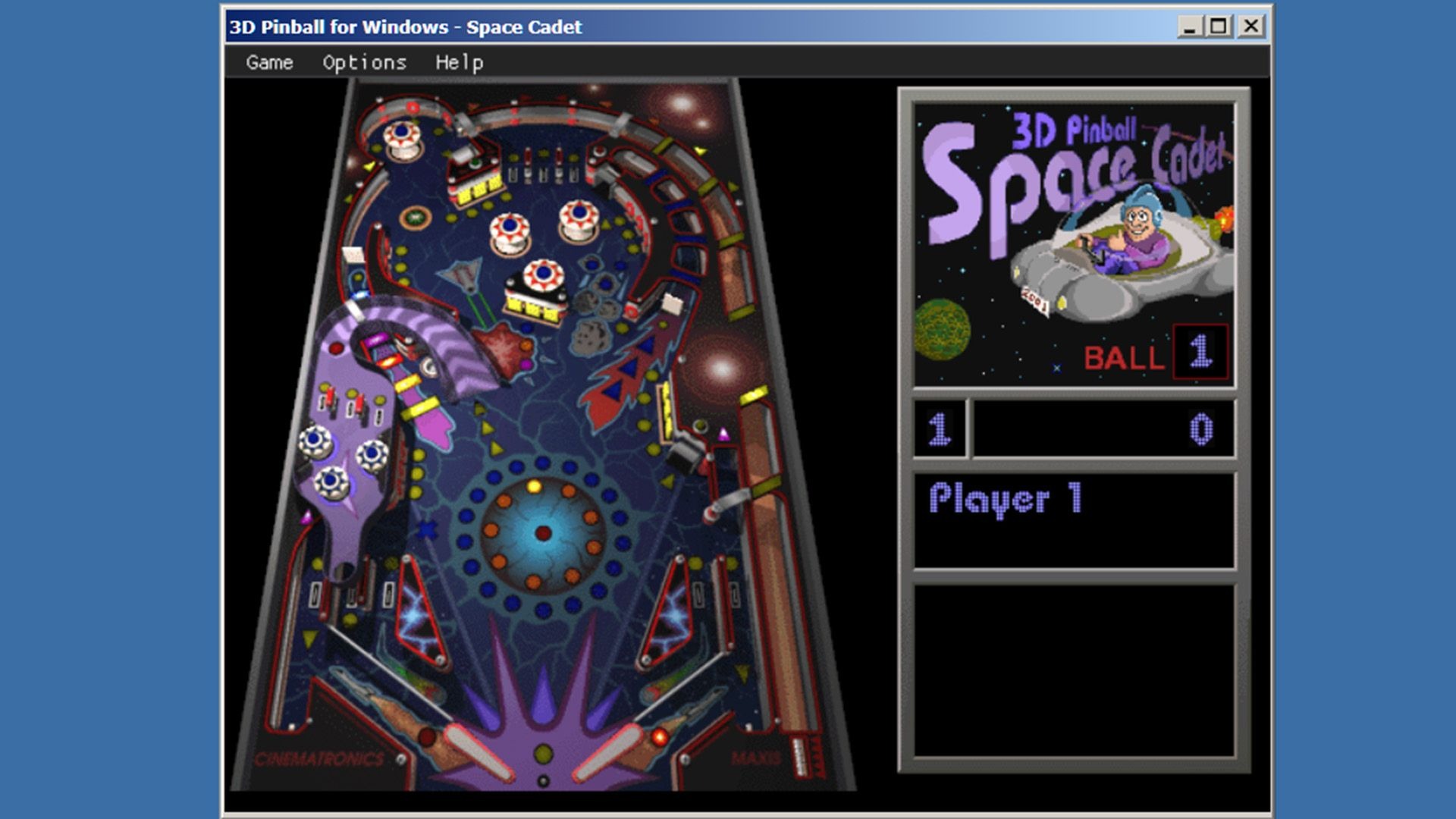
3D Pinball for Windows - Space Cadet was one of the first games I ever played. My brother and I used to take turns seeing who could get the higher score while enjoying the classic title on our family's Gateway computer. It turns out that we could have played the game at a blistering 5,000 frames per second if we had just had a time machine, a PC from the future, and a monitor that still hasn't been invented in 2025.
Dave Plummer, who worked on several key parts of Windows such as the Media Center, Task Manager, and native ZIP support, also ported 3D Pinball for Windows - Space Cadet from Windows NT to Windows 95. Plummer recently shared on his YouTube channel that a bug in the game could have allowed the game to run at around 5,000 FPS.
"My game engine had a bug, in that it would draw frames as fast as it could," explained Plummer. Since the game was coded on a MIPS R4000 processor that ran at 200MHz, 3D Pinball for Windows - Space Cadet ran at between 60-90 FPS. But once hardware improved, a bug in the game emerged.
"Fast forward a couple of years later, somebody notices that on multi-core machines, it's using an entire core to play Pinball at all times..."
"It was still drawing as fast as it could, but it was now drawing at like, 5,000 frames per second, because machines were much much faster than they used to be."
Our friends at PC Gamer shared the story and provided more context.
Sadly, we will never see the buttery smooth dream of 3D Pinball for Windows - Space Cadet running at high frame rates on one of the best gaming monitors. The game was later capped to 100 FPS by former Microsoft engineer Raymond Chen.
- Mutton
-
 1
1
Recommended Comments
There are no comments to display.
Join the conversation
You can post now and register later. If you have an account, sign in now to post with your account.
Note: Your post will require moderator approval before it will be visible.