


3175x175(CURRENT).thumb.jpg.b05acc060982b36f5891ba728e6d953c.jpg)
Rising RAM and memory prices have significantly eroded profit margins for budget smartphone makers.
From groceries to gas and electronic devices, everything is becoming more expensive these days. If you’ve been in the market for a smartphone, tablet, or PC, you may have noticed that prices have gone up by a few hundred dollars. The current situation in the market likely has one main culprit, and that’s AI.
Since the launch of ChatGPT in late 2022, every Big Tech company has made AI a top priority by pouring billions of dollars into AI-driven solutions and AI agents. These companies are now building massive AI data centers to provide the computing power needed for their chatbots.
These data centers require a significant amount of memory chips, which are mainly supplied by three companies: Samsung, SK Hynix, and Micron. Prior to the AI boom, smartphones accounted for roughly 40% of global DRAM demand. However, in 2023, Server DRAM's share reportedly reached 37.6%, surpassing Mobile DRAM at 36.8%..
Today, AI companies have lined up at Samsung, SK Hynix, and Micron's doorsteps with cash in hand to buy up their entire production capacity for AI data centers.
When did the RAM and memory shortage actually begin?
Consumers might have felt the impact of RAM and memory shortages over the past year. However, the roots of the shortage go back even further. According to a recent interview with Micron CEO Sanjay Mehrotra, memory manufacturers began cutting back on investments in expanding production capacity in 2023 after some customers pushed for lower prices. Mehrotra said that in 2023, memory prices fell to one-third of what they had been before.
Hence, just as memory chip manufacturers had scaled back their investments in expanding production capacity, the AI boom began. Suddenly, these companies had a new group of customers eager to expand their AI data centers as quickly as possible. And doing so required large volumes of memory chips.

Major memory manufacturers now had to meet demand not only from smartphone and PC makers but also from the rapidly growing AI market. However, there was one catch: customers had to be prioritized. In this situation, memory suppliers chose to put AI companies first. Unlike traditional customers, AI firms were not pushing for lower prices and were willing to pay premium prices to secure access to memory chips.
As a result, the PC and smartphone markets faced memory supply shortages, as the industry's leading memory manufacturers prioritized AI companies over their traditional customers.
It’s estimated that in 2026, nearly half of all available DRAM wafers will be used for AI computing, and next year, that share may exceed 60%.
RAM and memory shortages could spell the end of budget smartphones
PC and smartphone manufacturers have raised prices to offset part of the impact of the RAM and memory shortage. Recently, Apple raised the prices of its Macs and iPads by up to $300, marking one of the biggest price hikes for Apple products in the past decade.
DRAM prices have risen by as much as 700% since 2022, and they show no signs of slowing yet. It’s estimated that memory costs account for up to 60% of the price of low-end smartphone models, which directly impacts smartphone manufacturers' profit margins.
However, one of the biggest risks posed by the ongoing RAM and memory shortage is not higher prices, but the disappearance of budget devices from the market. This would make electronic devices far less accessible to many people, particularly users in developing countries and those with lower incomes.
Until recently, people could buy a smartphone with solid hardware and long-term software support for $400 or less. However, these budget-friendly devices are now becoming more expensive, and some manufacturers of affordable smartphones may even stop offering them in certain markets.
OnePlus announced last week that it’s pulling out of the U.S., Canada, Europe, and India due to market shifts. CMF, Nothing's budget-focused sub-brand, has also confirmed it will not release the Phone 3 Pro in 2026 due to rising memory costs.
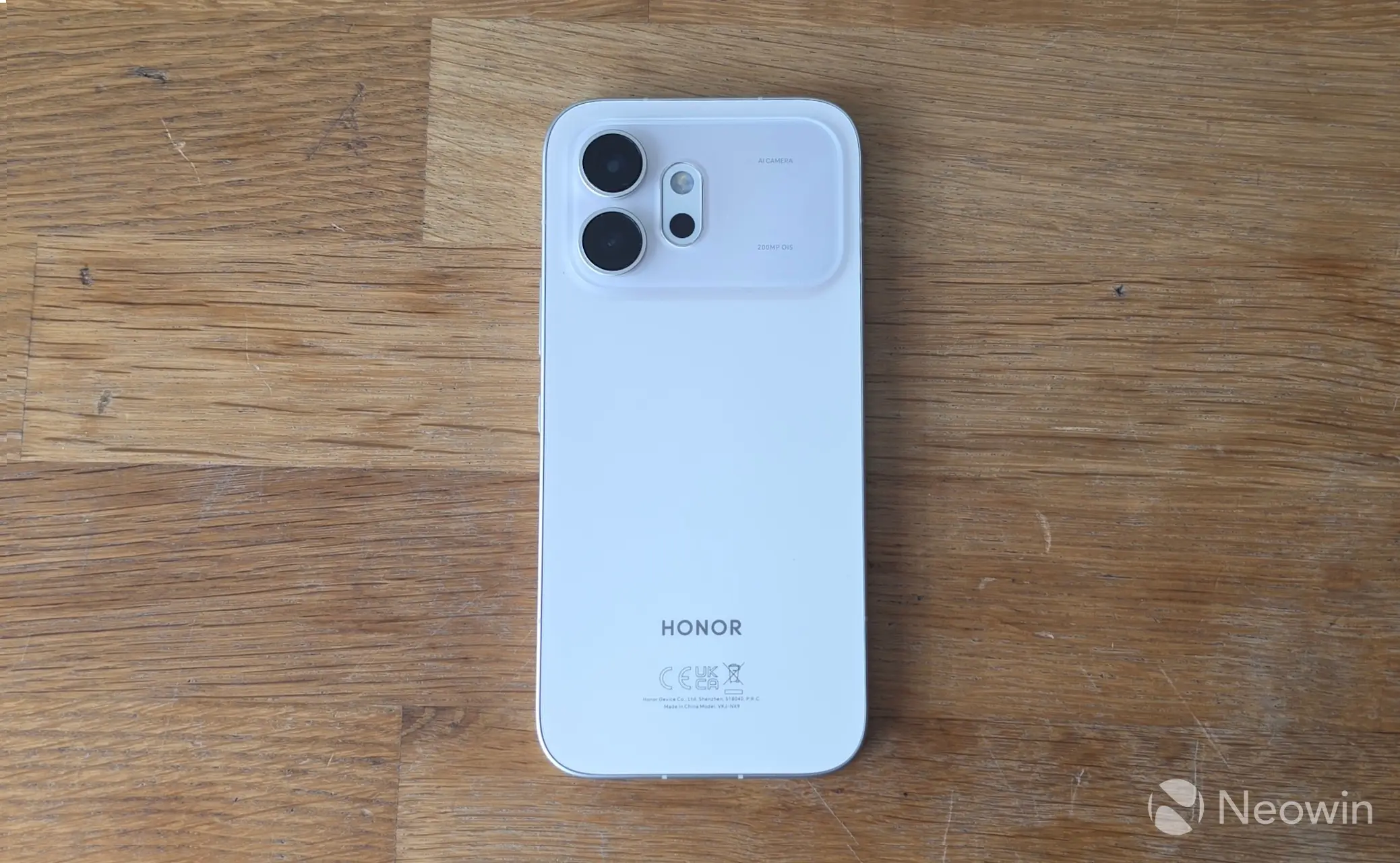
Chinese manufacturers are generally known for offering competitively priced products, but even they have not been spared from the impact of rising memory prices. In fact, because Chinese OEMs operate with thinner profit margins, they are even more vulnerable to increases in component costs.
According to an estimate by Counterpoint Research, DRAM price hikes have already increased the bill of materials (BoM) cost of low-end smartphones by 25%, making it much harder for Chinese OEMs to balance market share and profit margins.
Research by Omdia also suggests that shipments of smartphones priced below $400 have declined by 22% this year, which is directly related to rising DRAM and NAND prices. Also, memory's share of total costs nearly doubled in the sub-$400 segment in 1Q26 and increased by more than 100% for products priced above $400.
But things might get even worse. Omdia says normal seasonal demand peaks, such as the holiday season, will collide with constrained memory chip supply in the coming quarters, forcing companies to focus on offering higher-priced products while limiting their budget-friendly options.
Perhaps things will never be the same again
It remains unclear when the memory market will finally stabilize. What is clear, however, is that as long as AI data centers continue to expand, the market is unlikely to regain its balance.
One senior Samsung executive has even warned that the shortage of DRAM and NAND memory could persist through 2027 and potentially well beyond. However, Le Xuan Chiew, Research Manager at Omdia, believes memory prices might start to decline in the second half of 2027, though shoppers should probably not expect prices to return to pre-2025 levels.
To meet the market's rapidly growing demand, memory manufacturers have committed to massive investments in expanding production capacity. Samsung and SK Hynix recently announced plans to invest approximately $570 billion to boost production capacity.
But the problem is that building advanced semiconductor and memory fabrication plants takes years. Even under the most optimistic timeline, these new facilities are not expected to come online until 2029 or 2030.
Some companies, such as Apple, have also sought to source part of their memory supply from Chinese manufacturers. However, the plan has faced political backlash and may ultimately never materialize.
Hope you enjoyed this news post. Feedback welcome.
Posted Monday 20 July 2026 at 12:30 pm AEST (my time).
News posts: 2023 5,800+ | 2024 5,700+ | 2025 5,700+ | 2026 (to end of June) 2,475
- DLord
-
 1
1
Recommended Comments
There are no comments to display.
Join the conversation
You can post now and register later. If you have an account, sign in now to post with your account.
Note: Your post will require moderator approval before it will be visible.