

3175x175(CURRENT).thumb.jpg.b05acc060982b36f5891ba728e6d953c.jpg)
Scientists have engineered aligned bacterial cellulose, creating biodegradable, metal-strong, versatile material that could replace harmful plastics.
Scientists at Rice University and the University of Houston have come up with a new way to make bacterial cellulose stronger and more versatile. Their study, published in Nature Communications, shows how a simple and scalable process can align cellulose fibers while they grow, creating sheets with impressive strength and useful properties.
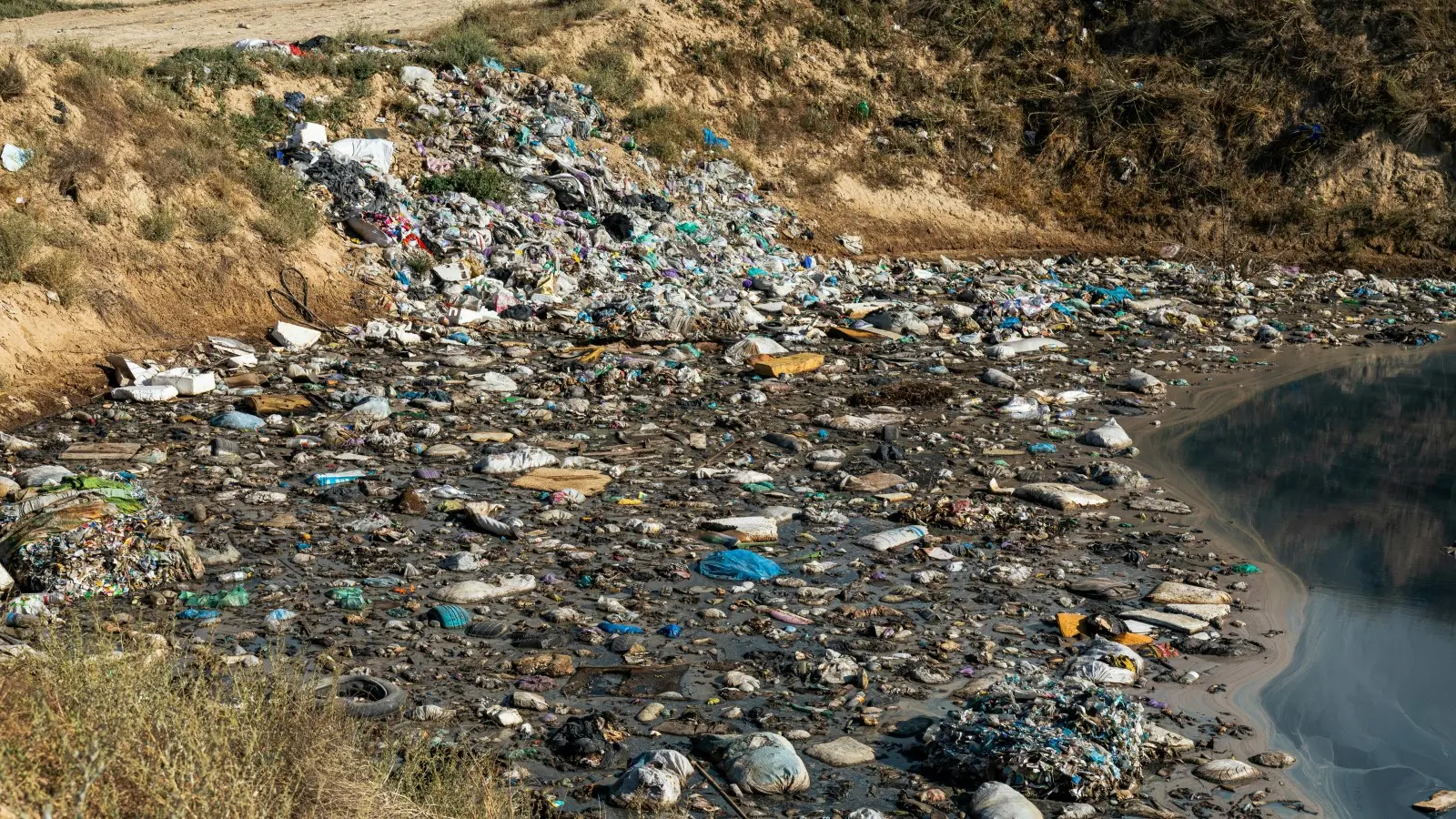
Plastic pollution is a major issue because synthetic polymers break down into microplastics and release harmful chemicals like bisphenol A (BPA), phthalates, and carcinogens. The research team, led by Muhammad Maksud Rahman, turned to bacterial cellulose as a possible alternative. This natural biopolymer is abundant, pure, and biodegradable.
Bacterial cellulose already has strong nano-fibrillar building blocks, but its full potential has not been realized. The problem is that the fibers usually form in random directions, which weakens the material. Another challenge is that other nano-fillers do not spread easily through the dense three-dimensional network of cellulose.
To solve this, the team designed a rotational bioreactor that uses fluid flow to guide the bacteria. “Our approach involved developing a rotational bioreactor that directs the movement of cellulose-producing bacteria, aligning their motion during growth,” said M.A.S.R. Saadi, the study’s first author and a doctoral student at Rice. “This alignment significantly enhances the mechanical properties of microbial cellulose, creating a material as strong as some metals and glasses yet flexible, foldable, transparent and environment friendly.”
The aligned cellulose sheets reached tensile strength of about 436 megapascals. They were also flexible, foldable, transparent, and stable over time. When boron nitride nanosheets were added to the nutrient media, the hybrid material became even stronger, with tensile strength up to 553 megapascals. It also showed better thermal performance, dissipating heat three times faster than control samples.
“This dynamic biosynthesis approach enables the creation of stronger materials with greater functionality,” Saadi explained. “The method allows for the easy integration of various nanoscale additives directly into the bacterial cellulose, making it possible to customize material properties for specific applications.”
Saadi compared the process to “training a disciplined bacterial cohort,” saying that instead of moving randomly, the bacteria are guided to move in a set direction, which aligns their cellulose production.
The researchers believe this single-step, bottom-up strategy could be scaled up for industrial use. Potential applications include packaging, textiles, structural materials, thermal management, green electronics, and energy storage.
“This work is a great example of interdisciplinary research at the intersection of materials science, biology and nanoengineering,” Rahman said. “We envision these strong, multifunctional and eco-friendly bacterial cellulose sheets becoming ubiquitous, replacing plastics in various industries and helping mitigate environmental damage.”
By addressing the long-standing problems of fiber alignment and filler diffusion, the study shows how bacterial cellulose can be turned into a strong and adaptable material, offering a realistic path toward reducing reliance on plastics.
Source: Rice University, Nature
This article was generated with some help from AI and reviewed by an editor. Under Section 107 of the Copyright Act 1976, this material is used for the purpose of news reporting. Fair use is a use permitted by copyright statute that might otherwise be infringing.
Hope you enjoyed this news post. Feedback welcome.
Posted Monday 11 May 2026 at 6:57 am AEST (my time).
News posts: 2023 5,800+ | 2024 5,700+ | 2025 5,700+ | 2026 (to end of April) 1,700
Recommended Comments
There are no comments to display.
Join the conversation
You can post now and register later. If you have an account, sign in now to post with your account.
Note: Your post will require moderator approval before it will be visible.