

3175x175(CURRENT).thumb.jpg.b05acc060982b36f5891ba728e6d953c.jpg)
The Iberian blackout was a consequence of grid management, not any power source.
The blackout that took down the Iberian grid serving Spain and Portugal in April was the result of a number of smaller interacting problems, according to an investigation by the Spanish government. The report concludes that several steps meant to address a small instability made matters worse, eventually leading to a self-reinforcing cascade where high voltages caused power plants to drop off the grid, thereby increasing the voltage further. Critically, the report suggests that the Spanish grid operator had an unusually low number of plants on call to stabilize matters, and some of the ones it did have responded poorly.
The full report will be available later today; however, the government released a summary ahead of its release. The document includes a timeline of the events that triggered the blackout, as well as an analysis of why grid management failed to keep it in check. It also notes that a parallel investigation checked for indications of a cyberattack and found none.
Oscillations and a cascade
The document notes that for several days prior to the blackout, the Iberian grid had been experiencing voltage fluctuations—products of a mismatch between supply and demand—that had been managed without incident. These continued through the morning of April 28 until shortly after noon, when an unusual frequency oscillation occurred. This oscillation has been traced back to a single facility on the grid, but the report doesn't identify it or even indicate its type, simply referring to it as an "instalación."
The grid operators responded in a way that suppressed the oscillations but increased the voltages on the grid. About 15 minutes later, a weakened version of this oscillation occurred again, followed shortly thereafter by oscillations at a different frequency, this one with properties that are commonly seen on European grids. That prompted the grid operators to take corrective steps again, which increased the voltages on the grid.
The Iberian grid is capable of handling this sort of thing. But the grid operator only scheduled 10 power plants to handle voltage regulation on the 28th, which the report notes is the lowest total it had committed to in all of 2025 up to that point. The report found that a number of those plants failed to respond properly to the grid operators, and a few even responded in a way that contributed to the surging voltages.
As the voltages rose, they approached a threshold at which grid hardware needs to disconnect to protect the equipment. But the report found that some of the hardware disconnected before the threshold was reached. Some of the disconnections took out a complicated mix of electrical demand, power plants, and regional distribution, resulting in changing voltages and an imbalance between northern and southern Spain.
At that point, things spun out of control, with the grid frequency dropping. That led to it falling out of sync with its connection to France, causing that to shutdown. The blackout had long since passed the point of intervention.
What to do?
It may be tempting to view the cascading failures as a sign of incompetence on the part of the grid operators. But these are the same operators who managed the process of black-starting the grid to normal operations within a matter of hours. There should (and undoubtedly will) be questions about the low number of plants dedicated to grid stabilization, but that can be handled with a simple policy fix. An equally focused correction can likely address any problems at the problematic facility that triggered the whole chain of events.
The real issue is why so much hardware on the grid didn't follow its operating specifications, either disconnecting early or failing to respond properly to the calls for stabilization.
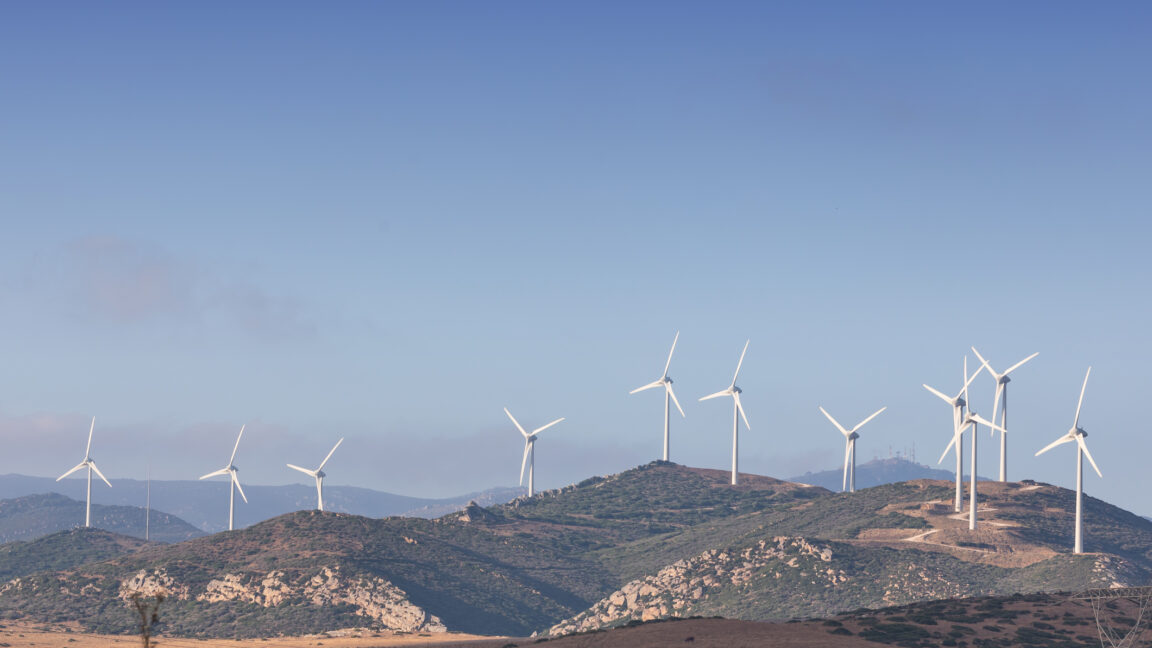
Notably missing in all of this is any mention of renewable power. Spain has a lot of it, and it tends to be used to meet a higher fraction of demand during the spring and fall, when heating and cooling demand is lowest. Opponents of renewable energy were quick to point to the Iberian blackout as evidence of the unreliability of wind and solar (accusations that The New York Times was willing to echo). The investigation indicates that all these accusations were completely without merit.
Updated to better reflect the mix of things that were taken out during the grid failure.
Hope you enjoyed this news post.
Thank you for appreciating my time and effort posting news every day for many years.
News posts... 2023: 5,800+ | 2024: 5,700+ | 2025 (till end of May): 2,377
RIP Matrix | Farewell my friend
- Nuclear Fallout and Mutton
-
 2
2
Recommended Comments
Join the conversation
You can post now and register later. If you have an account, sign in now to post with your account.
Note: Your post will require moderator approval before it will be visible.