

3175x175(CURRENT).thumb.jpg.b05acc060982b36f5891ba728e6d953c.jpg)
As more electronics are being used inside the body and underwater, finding a safe and steady way to keep them powered is becoming increasingly important. Common wireless charging methods—like electromagnetic induction or radio frequency (RF)—often don’t work well in these environments. They can transfer only small amounts of energy, don’t travel far, and can interfere with nearby electronics.
To solve these problems, researchers from the Korea Institute of Science and Technology (KIST) and Korea University are looking to ultrasound. Unlike RF waves, ultrasound is less absorbed by human tissue and causes less interference, making it more suitable for charging medical implants and skin-worn devices.
A team led by Dr. Sunghoon Hur and Professor Hyun-Cheol Song built a flexible ultrasonic receiver using advanced piezoelectric materials. This receiver works even when bent and can stick closely to curved surfaces like skin. Tests showed it could wirelessly deliver 20 milliwatts of power through 3 cm of water and 7 milliwatts through 3 cm of skin—enough to run small devices like wearable sensors or implants.
The team also showed that the receiver could be used to charge batteries, opening the door to longer-lasting implants that don’t need frequent surgery for battery replacement. Dr. Hur stated, “Through this research, we have demonstrated that wireless power transmission technology using ultrasound can be applied practically. We plan to conduct further research for miniaturization and commercialization to accelerate the practical application of the technology.”
Meanwhile, scientists are also studying ultrasound-powered triboelectric nanogenerators (US-TENGs). These devices can send power through the skin without surgery, but they’ve struggled with low output and stiffness. To improve this, a new version called the dielectric-ferroelectric boosted US-TENG (US-TENGDF-B) was developed. It uses a special design to produce more power with gentler ultrasound and from farther away.
This upgraded device reached about 26 volts and delivered 6.7 milliwatts when charging a battery from 35 mm away. It stayed stable even when bent, making it useful for curved parts of the body or implants like artificial hearts. Researchers say it’s effective for short-term wireless charging deep inside the body, especially in flexible systems.
Together, these technologies show real potential for powering low-energy electronics safely, both in water and inside the human body. They could help make future devices like pacemakers, neurostimulators, underwater sensors, and drones run longer and more reliably—without needing frequent charging or replacements.
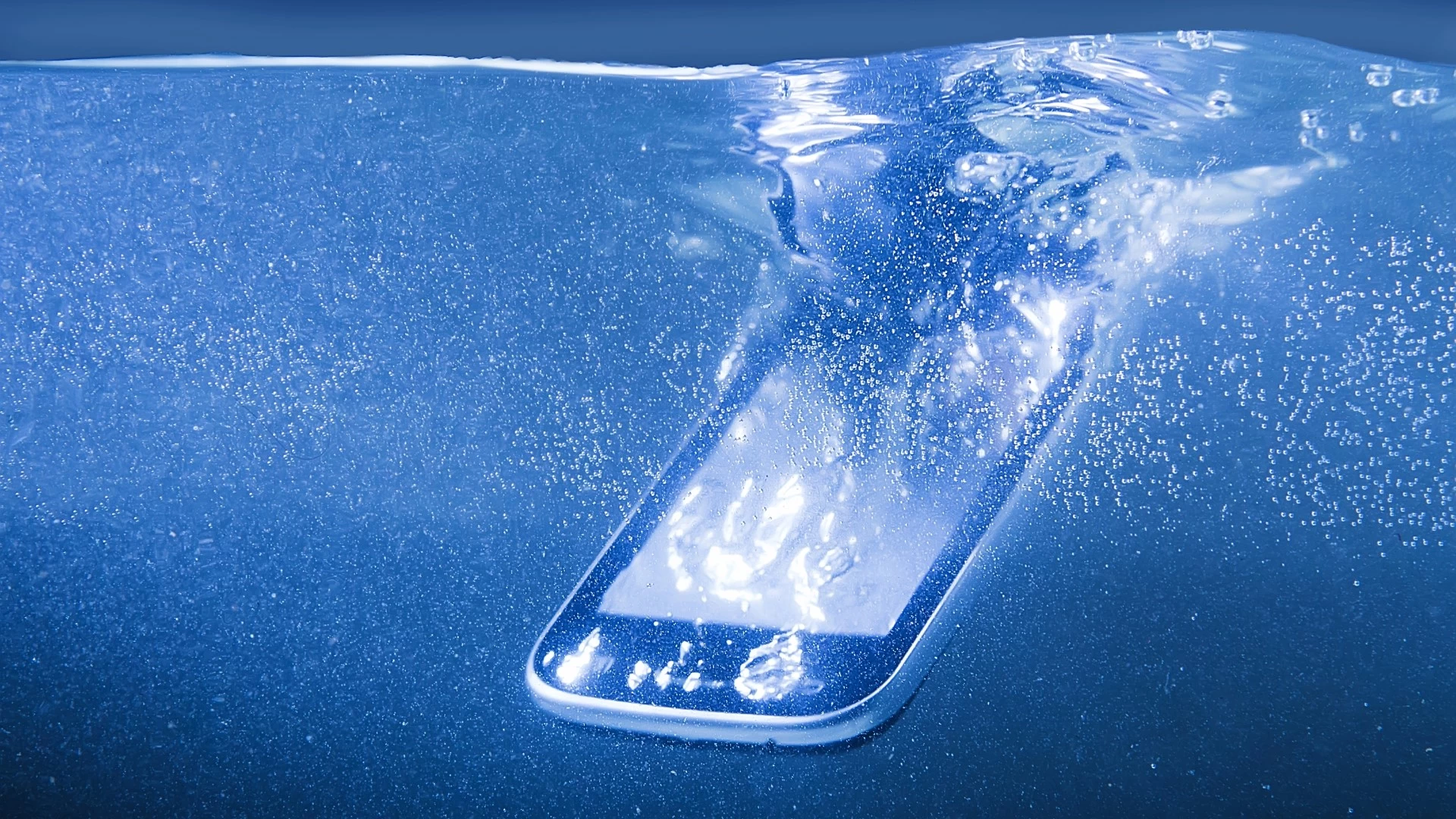
Source: KIST, Wiley Online Library | Image via Depositphotos
This article was generated with some help from AI and reviewed by an editor. Under Section 107 of the Copyright Act 1976, this material is used for the purpose of news reporting. Fair use is a use permitted by copyright statute that might otherwise be infringing.
Hope you enjoyed this news post.
News posts... 2023: 5,800+ | 2024: 5,700+ | 2025 (till end of June): 2,864
RIP Matrix | Farewell my friend
- Mutton
-
 1
1
Recommended Comments
There are no comments to display.
Join the conversation
You can post now and register later. If you have an account, sign in now to post with your account.
Note: Your post will require moderator approval before it will be visible.