

3175x175(CURRENT).thumb.jpg.b05acc060982b36f5891ba728e6d953c.jpg)
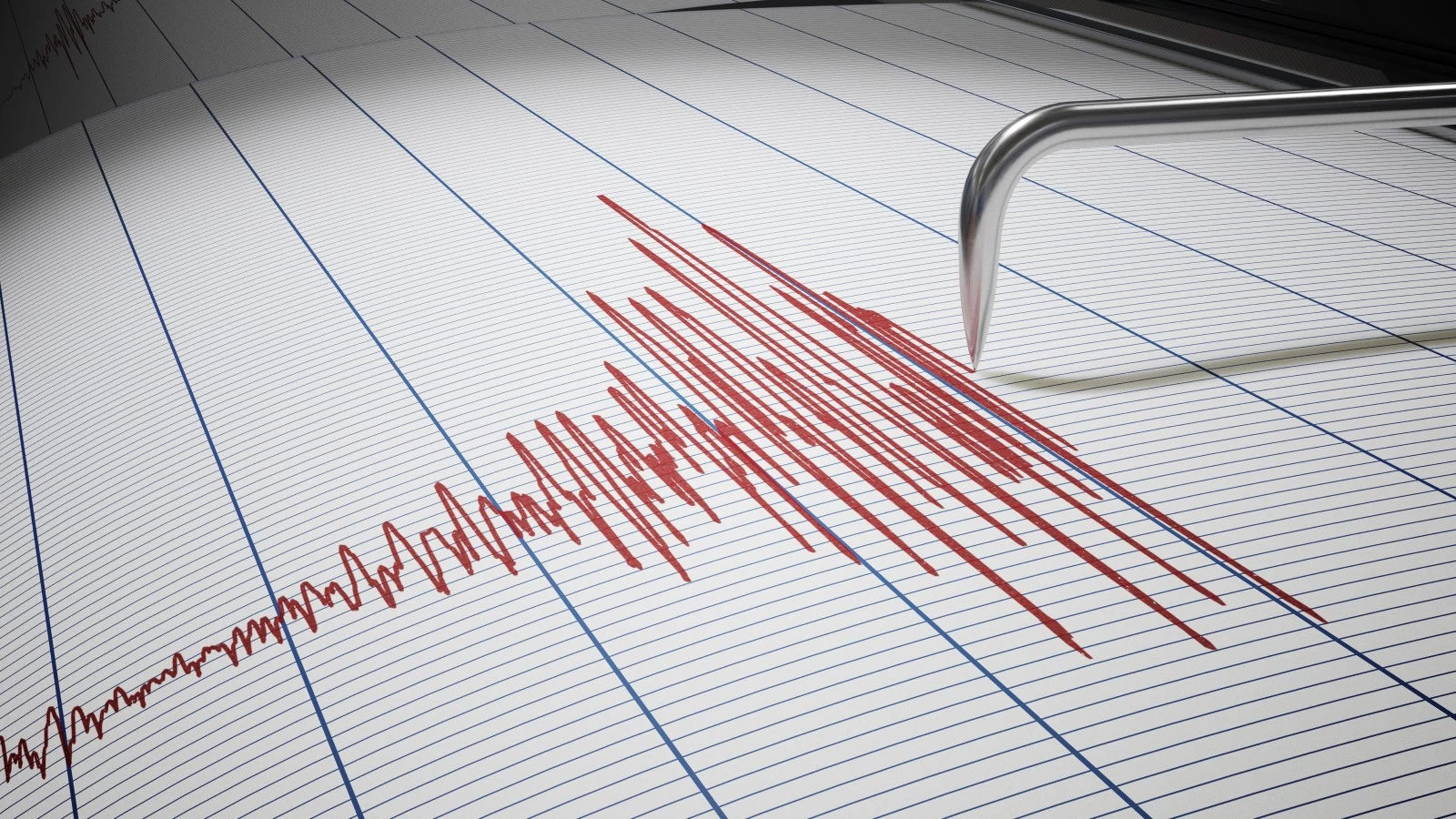
On September 16, 2023, scientists around the world noticed something strange: a steady seismic signal, repeating every 90 seconds, showed up on sensors globally. It continued for nine days and then returned a month later, lasting another week. The signal had a frequency of 10.88 millihertz, but its cause was unclear—until now.
A new study from researchers at the University of Oxford offers the first direct evidence behind this mysterious event. Earlier theories had linked the signals to two massive tsunamis caused by landslides in Dickson Fjord, a remote area in East Greenland. These waves were believed to have become trapped inside the fjord, bouncing back and forth to create what are called "seiches"—standing waves strong enough to shake the Earth. But until this study, no one had actually seen these waves in action.
The Oxford team used data from the Surface Water and Ocean Topography (SWOT) satellite, which launched in December 2022. Unlike older satellites that only measure water levels directly below them, SWOT scans a wide area—up to 50 kilometers across—with much more detail. At the heart of its system is KaRIn (Ka-band Radar Interferometer), which uses two antennas placed 10 meters apart. These antennas work together to map water height changes with a resolution of up to 2.5 meters.
Using this advanced tool, the researchers created elevation maps of Dickson Fjord during the time after the twin tsunamis. These maps showed the water surface slanting across the fjord by as much as two meters. Even more telling, the slope direction switched between snapshots—proving the water was moving back and forth, just like a seiche would.
To make sure the waves weren’t caused by weather or tides, the researchers compared the data with wind and tidal records and also tracked tiny movements of the Earth’s crust thousands of kilometers away. These small shifts lined up with the timing of the waves, helping to strengthen the case for the seiche theory.
They also used Bayesian machine learning models along with seismic data to estimate the original height of the wave at 7.9 meters. One challenge was that SWOT doesn’t take images frequently enough to catch all fast-moving ocean events. But the team applied special analysis techniques to work around these gaps.
Lead author Thomas Monahan said, “Climate change is giving rise to new, unseen extremes. These extremes are changing the fastest in remote areas, such as the Arctic, where our ability to measure them using physical sensors is limited. This study shows how we can leverage the next generation of satellite earth observation technologies to study these processes.”
Co-author Professor Thomas Adcock added, “This study is an example of how the next generation of satellite data can resolve phenomena that has remained a mystery in the past. We will be able to get new insights into ocean extremes such as tsunamis, storm surges, and freak waves.”
The research highlights how powerful satellite tools—combined with smart data techniques—can help explain rare natural events, especially in parts of the world that are hard to reach. As climate change continues to reshape the planet, tools like SWOT may be key to understanding the changes that are already underway.
Source: Oxford University, Nature | Image via Depositphotos
This article was generated with some help from AI and reviewed by an editor. Under Section 107 of the Copyright Act 1976, this material is used for the purpose of news reporting. Fair use is a use permitted by copyright statute that might otherwise be infringing.
Hope you enjoyed this news post.
Thank you for appreciating my time and effort posting news every day for many years.
News posts... 2023: 5,800+ | 2024: 5,700+ | 2025 (till end of June): 2,864
RIP Matrix | Farewell my friend
- DLord and Mutton
-
 2
2
Recommended Comments
Join the conversation
You can post now and register later. If you have an account, sign in now to post with your account.
Note: Your post will require moderator approval before it will be visible.