

3175x175(CURRENT).thumb.jpg.b05acc060982b36f5891ba728e6d953c.jpg)
“This fossil doesn’t just settle the debate. It flips decades of T. rex research on its head.”
For four decades, a frequently acrimonious debate has raged in paleontological circles about the correct taxonomy for a handful of rare fossil specimens. One faction insisted the fossils were juvenile Tyrannosaurus rex; the other argued that they represented a new species dubbed Nanotyrannus lancensis. Now, paleontologists believe they have settled the debate once and for all due to a new analysis of a well-preserved fossil.
The verdict: It is indeed a new species, according to a new paper published in the journal Nature. The authors also reclassified another specimen as a second new species, distinct from N. lancensis. In short, Nanotyrannus is a valid taxon and contains two species.
“This fossil doesn’t just settle the debate,” said Lindsay Zanno, a paleontologist at North Carolina State University and head of paleontology at North Carolina Museum of Natural Sciences. “It flips decades of T. rex research on its head.” That’s because paleontologists have relied on such fossils to model the growth and behavior of T. rex. The new findings suggest that there could have been multiple tyrannosaur species and that paleontologists have been underestimating the diversity of dinosaurs from this period.
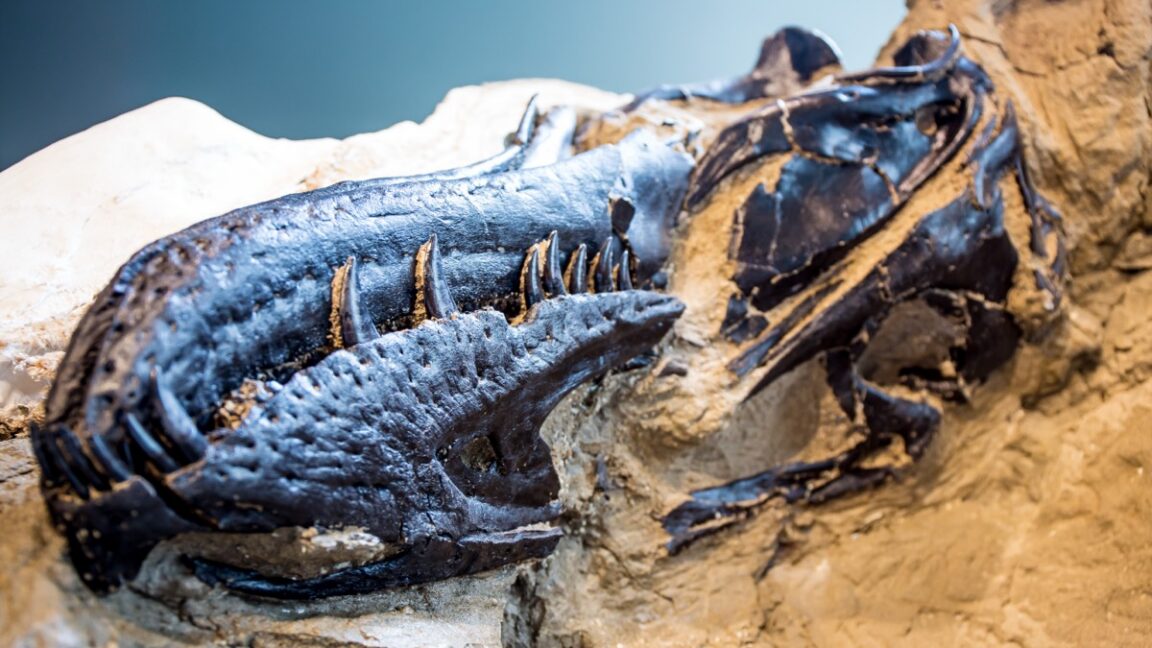
Our story begins in 1942, when the fossilized skull of a Nanotyrannus, nicknamed Chomper, was excavated in Montana by a Cleveland Museum of Natural History expedition. Originally, paleontologists thought it belonged to a Gorgosaurus, but a 1965 paper challenged that identification and argued that the skull belonged to a juvenile T. rex. It wasn’t until 1988 that scientists proposed that the skull was actually that of a new species, Nanotyrannus. It’s been a constant back-and-forth ever since.
As recently as 2020, a highly influential paper claimed that Nanotyrannus was definitively a juvenile T. Rex. Yet a substantial number of paleontologists still believed it should be classified as a distinct species. A January 2024 paper, for instance, came down firmly on the Nanotyrannus side of the debate. Co-authors Nicholas Longrich of the University of Bath and Evan Saitta of the University of Chicago measured the growth rings in Nanotyrannus bones and concluded the animals were nearly fully grown.
Dueling dinosaurs
Furthermore, there was no evidence of hybrid fossils combining features of both Nanotyrannus and T. rex, which one would expect if the former were a juvenile version of the latter. Longrich and Saitta had also discovered a skull bone, archived in a San Francisco museum, that did belong to a juvenile T. rex, and they were able to do an anatomical comparison. They argued that Nanotyrannus had a lighter build, longer limbs, and larger arms than a T. rex and likely was smaller, faster, and more agile.
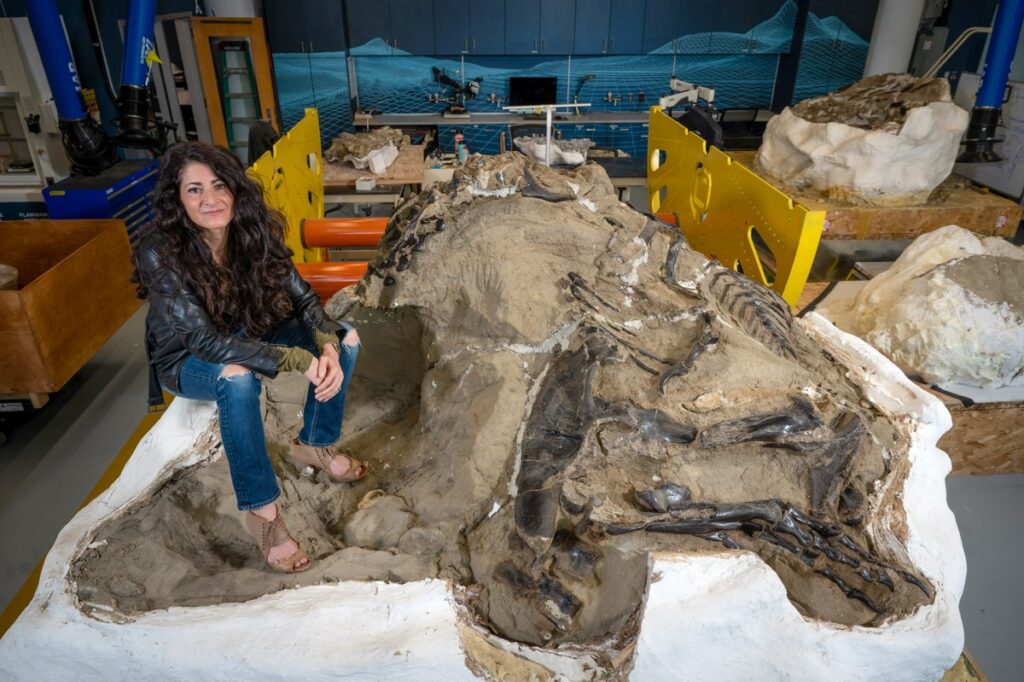
Part of the problem is that such specimens are incredibly rare and usually consist of fragments. But this latest paper analyzes an exceptionally well-preserved fossil known as the “dueling dinosaurs,” the remains of a triceratops beside a tyrannosaur. It wasn’t available for paleontological research until now due to various legal issues, but the North Carolina Museum of Natural Sciences acquired it in 2020.
In addition to conducting a growth-ring analysis, the researchers looked at spinal fusions and developmental anatomy. They also studied over 200 other tyrannosaur fossils for comparative analysis and re-examined a second nearly complete fossil, dubbed “Jane,” which was previously believed to be that of a juvenile T. rex.
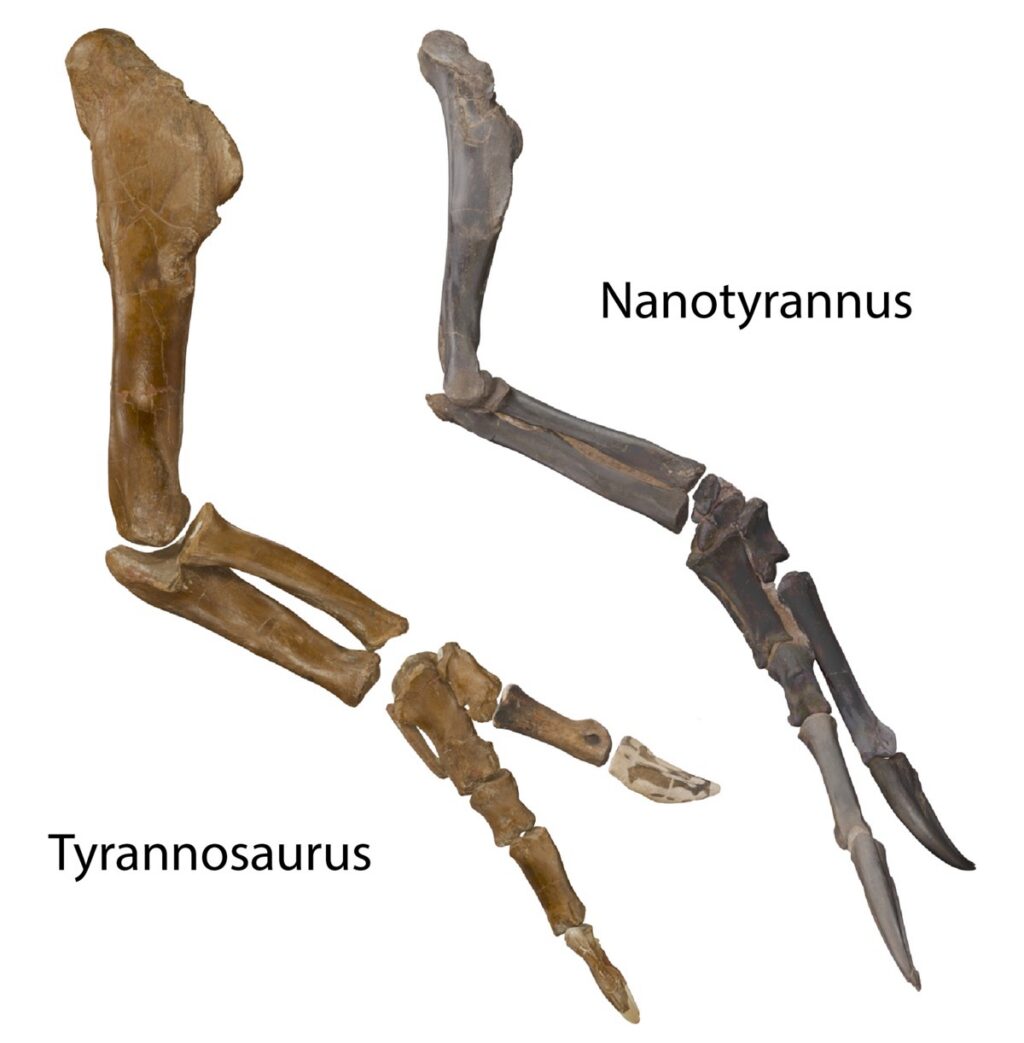
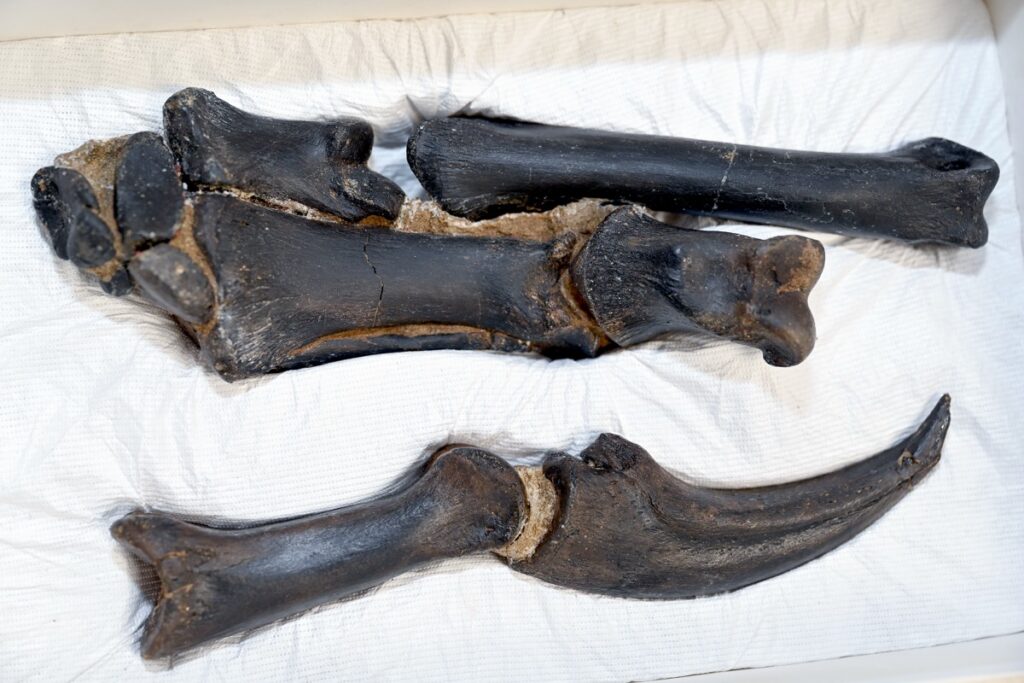
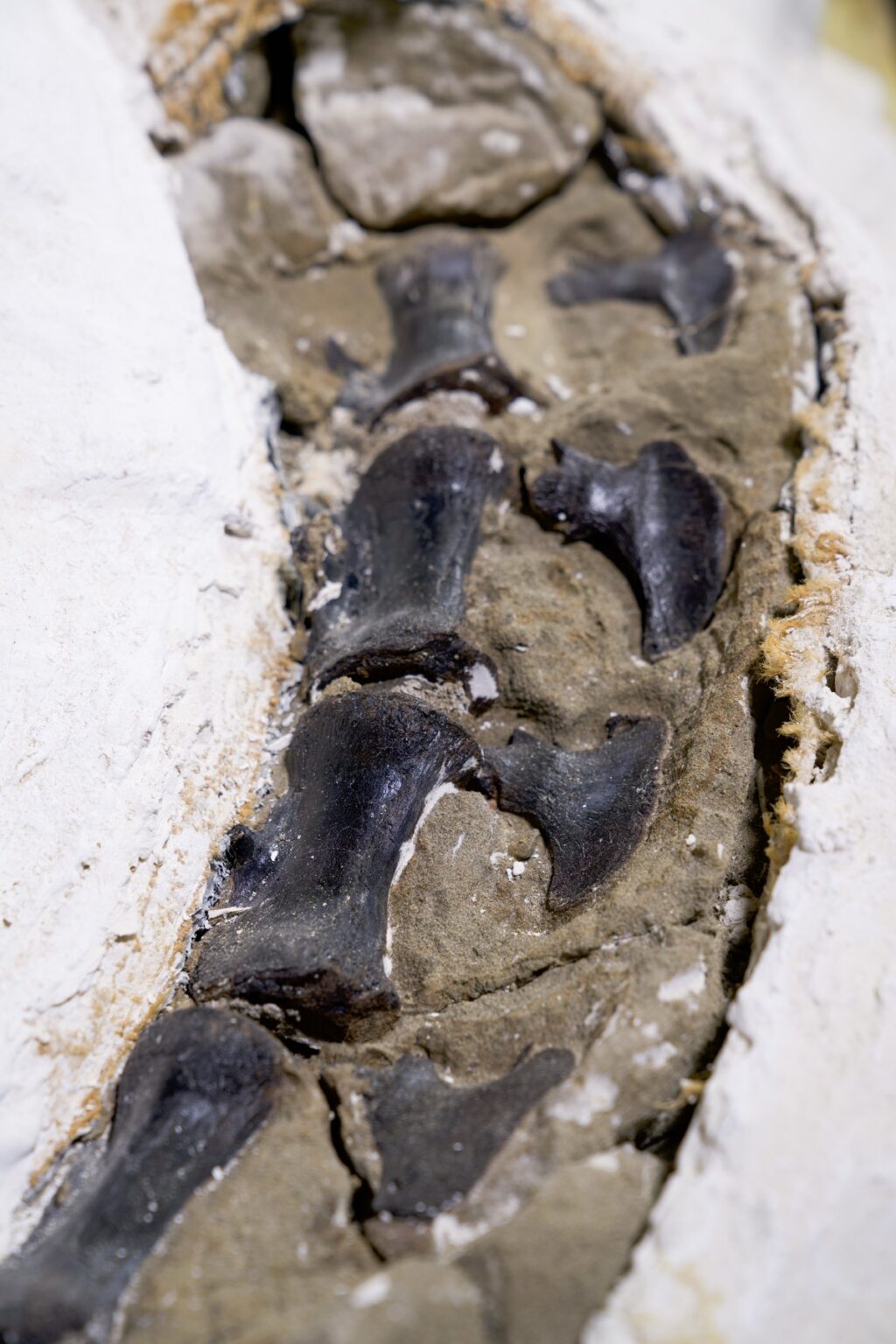
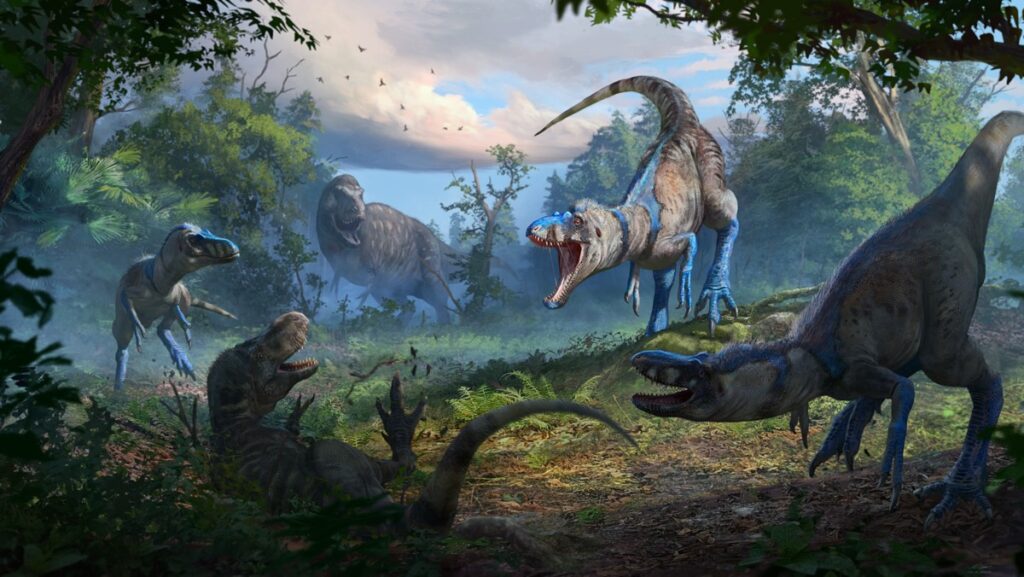
Per the authors, the “dueling dinosaurs” specimen was nearly mature at around 20 years old. It had much larger forelimbs than a T. rex, a possible vestigial third finger, fewer vertebrae in the tail, and more teeth in the skull, as well as distinct skull nerve patterns revealed via CT scanning. Zanno et al. also concluded that “Jane” is in fact a Nanotyrannus, just not the same species as N. lancensis. They named the new species N. lethaeus.
“The situation is complex, hence why the debate has raged for decades,” Zanno told Ars. “The specimens that were studied in [the 2020] paper were still immature when they died, fitting the hypothesis that Nanotyrannus was a juvenile T. rex. And one represents a different species than the historical Nanotyrannus lancensis, which we name in this new paper. Thus, not only did one of those specimens represent an actively growing individual, we can now also say it isn’t the same species as Nanotyrannus lancensis.”
Thomas Holtz of the University of Maryland told The New York Times that these new findings represent a “decisive blow” to the juvenile T. rex interpretation. Even long-time T. rex proponent Thomas Carr of Carthage College in Wisconsin called Zanno et al.’s findings “pretty conclusive,” although he was skeptical of the identification of “Jane” as a second species within the Nanotyrannus taxon.
“The extraordinary three-dimensional preservation of the “dueling dinosaurs” tyrannosaur was the key to unlocking the mystery of Nanotyrannus,” Zanno told Ars. “Having a 100 percent complete skeleton provided all the pieces of the puzzle we needed to put this debate to bed. The dueling dinosaurs tyrannosaur is a Nanotyrannus, and it is fully mature at half the length and one-tenth the mass of T. rex. Our new specimen provides the first conclusive evidence closing the casket on the teen T. rex hypothesis.”
Nature, 2025. DOI: 10.1038/s41586-025-09801-6 (About DOIs).
Hope you enjoyed this news post. Feedback welcome.
Posted Friday 31 October 2025 at 5:10 am AEST (my time).
News posts... 2023: 5,800+ | 2024: 5,700+ | 2025 (till end of September): 4,533
Recommended Comments
There are no comments to display.
Join the conversation
You can post now and register later. If you have an account, sign in now to post with your account.
Note: Your post will require moderator approval before it will be visible.