

3175x175(CURRENT).thumb.jpg.b05acc060982b36f5891ba728e6d953c.jpg)
“We are giving our crews the tools to capture special moments.”
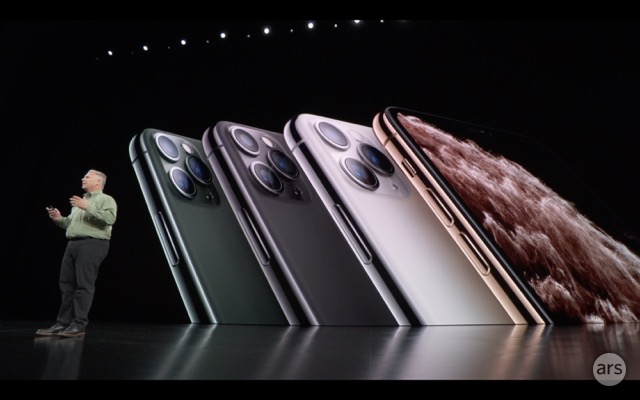
The iPhone is going orbital, and this time it will be allowed to hang around for a while.
On Wednesday night, NASA Administrator Jared Isaacman revealed that the Crew-12 and Artemis II astronauts will be allowed to bring iPhones and other modern smartphones into orbit and beyond.
“NASA astronauts will soon fly with the latest smartphones, beginning with Crew-12 and Artemis II,” Isaacman wrote on X. “We are giving our crews the tools to capture special moments for their families and share inspiring images and video with the world.”
NASA astronauts have long captured amazing photos from the space station, but having a smartphone on hand will open up a world of video possibilities. This will likely be especially useful when astronauts are conducting an experiment or looking outside a window and see an interesting, transient phenomenon.
Fighting requirement bloat
However, Isaacman said the decision to allow astronauts to bring iPhones is about more than just capturing cool new photos and videos. It’s part of his effort to challenge long-standing NASA rules and requirements.
“Just as important, we challenged long-standing processes and qualified modern hardware for spaceflight on an expedited timeline,” he wrote. “That operational urgency will serve NASA well as we pursue the highest-value science and research in orbit and on the lunar surface. This is a small step in the right direction.”
The challenge of qualifying modern technology for spaceflight is real. There are a million ways in which the technology can become mired in the approval process, from radiation characterization of chips to battery thermal and vacuum tests, outgassing concerns, vibe testing, and other qualification concerns. Yes, these requirements exist for a reason. But Isaacman is now telling his team to challenge requirements to ensure they are still needed today. (If you don’t believe this is important, ask any NASA contractor about bloated requirements.)
The arcane approval process has consequences. Before this decision, the newest camera slated to fly on the historic Artemis II mission around the Moon was a 2016 Nikon DSLR, alongside GoPro cameras that were a decade old. Now, the astronauts will have modern, portable smartphone cameras at their disposal. It should make for some amazing lunar moments.
Back in orbit
Smartphones have flown to orbit before. For example, two iPhone 4s flew on board the final space shuttle mission in 2011, though it’s not clear whether the crew ever touched them. For the most part, though, astronauts living on board the International Space Station over the last decade have used tablets to connect to the Internet and communicate with family members.
Astronauts flying on private missions, including Isaacman’s Polaris flight and the Axiom missions to the space station, did bring smartphones.
Hope you enjoyed this news post. Feedback welcome.
Posted Friday 6 February 2026 at 4:45 am AEST (my time).
News posts: 2023 5,800+ | 2024 5,700+ | 2025 5,700+ | 2026 (to end of January) 461
- Mutton
-
 1
1
Recommended Comments
Join the conversation
You can post now and register later. If you have an account, sign in now to post with your account.
Note: Your post will require moderator approval before it will be visible.